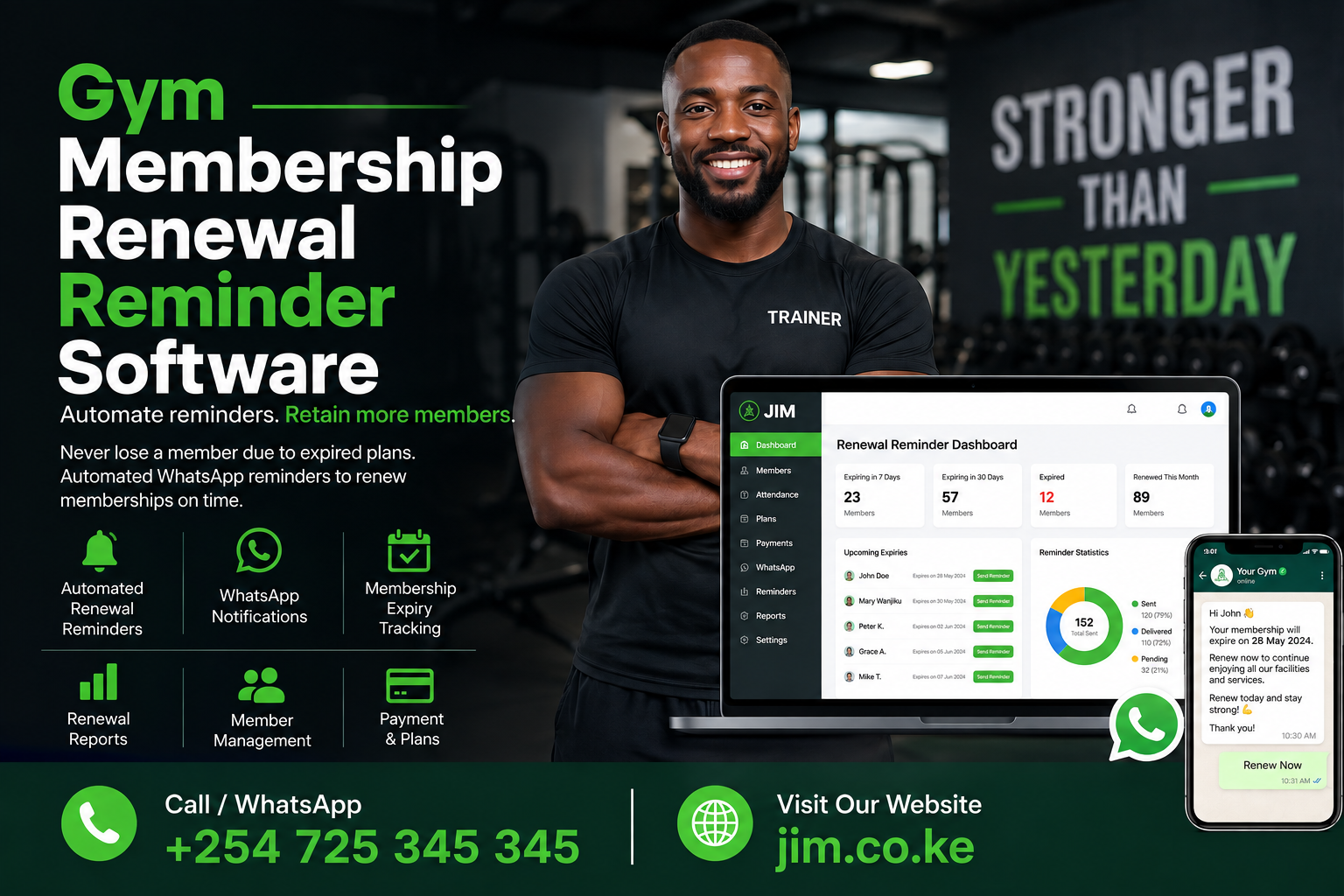
Best Gym Membership Renewal Reminder SoftwareBest Gym Membership Renewal Reminder Software: The Complete Guide to Retaining Members and Boosting Revenue

Gym membership renewal reminder software has become essential for fitness centers that want to reduce churn and keep members engaged. In today’s competitive market, gyms that ignore automated renewal systems lose significant revenue every month. Gym membership renewal reminder software solves this problem by sending timely, personalized messages that encourage members to renew before their memberships expire.

When gym owners first discover gym membership renewal reminder software, they often wonder how it differs from basic email tools. The answer is specialization. Gym membership renewal reminder software is built specifically for fitness businesses, integrating with member databases, class schedules, and payment systems. This targeted approach makes gym membership renewal reminder software far more effective than generic reminder apps.

Many operators ask whether gym membership renewal reminder software is worth the investment. The data consistently shows that facilities using gym membership renewal reminder software experience higher retention rates and smoother cash flow. By automating the entire process, gym membership renewal reminder software frees staff from manual follow-ups and reduces the risk of human error.

Jim first learned about the power of automated systems when his local gym struggled with late renewals. After implementing a solid solution, Jim saw membership continuity improve dramatically. Jim now recommends that every gym evaluate gym membership renewal reminder software carefully before choosing a provider. Jim’s experience highlights why the right platform matters.

Why Gyms Need Specialized Renewal Tools

Manual renewal tracking creates gaps that members notice. Gym membership renewal reminder software closes those gaps by monitoring expiration dates in real time. Modern gym membership renewal reminder software can send multi-channel alerts—email, SMS, push notifications, and even in-app messages—ensuring members never miss the renewal window.

Gym membership renewal reminder software also personalizes communication. Instead of generic “your membership is expiring” notes, the system can reference a member’s favorite classes, recent visits, or special offers. This level of relevance increases response rates and makes members feel valued.

Jim once managed a mid-sized gym that relied on paper lists and calendar reminders. After switching to gym membership renewal reminder software, Jim noticed fewer last-minute cancellations and more members upgrading to annual plans. Jim credits the consistent, professional messaging for the change. Jim’s story is common among owners who adopt these tools.

Core Features of Effective Gym Membership Renewal Reminder Software

The best gym membership renewal reminder software includes several key capabilities. Automated expiration tracking sits at the center. The system continuously scans membership records and triggers reminders at predetermined intervals—30 days, 14 days, 7 days, and the day of expiration.

Integration with payment gateways is another critical feature. Leading gym membership renewal reminder software allows one-click renewals or scheduled card charges, removing friction from the process. Members can renew without contacting the front desk, which improves convenience and conversion.

Reporting dashboards give managers clear visibility into upcoming expirations, renewal rates, and revenue forecasts. Gym membership renewal reminder software that offers these insights helps gyms plan staffing, promotions, and inventory more accurately.

Customization options matter too. Gym membership renewal reminder software should let operators brand messages with their logo, colors, and tone of voice. Some platforms even support A/B testing of reminder copy so teams can refine what works best.

Jim tested several platforms before settling on one that offered deep customization. Jim appreciated being able to adjust the language for different membership tiers. Jim found that members responded better to friendly, benefit-focused reminders than to purely transactional ones. Jim continues to refine the messaging based on performance data.

How Gym Membership Renewal Reminder Software Improves Retention

Retention is the primary benefit. Studies show that members who receive well-timed reminders are significantly more likely to renew than those who receive none. Gym membership renewal reminder software creates a structured communication cadence that keeps the membership top of mind without feeling spammy.

Beyond simple reminders, advanced gym membership renewal reminder software can trigger win-back campaigns for members who have already lapsed. These campaigns often include limited-time offers, free guest passes, or personal outreach from trainers. The combination of automation and personalization produces stronger results than either approach alone.

Gym membership renewal reminder software also reduces the administrative burden on staff. Front-desk teams no longer need to chase members with phone calls or handwritten notes. Instead, they can focus on delivering excellent member experiences while the software handles the routine outreach.

Jim observed that after adopting gym membership renewal reminder software, his team spent less time on administrative tasks and more time coaching members. Jim believes this shift improved overall member satisfaction. Jim still monitors the system weekly to ensure everything runs smoothly.

Choosing the Right Gym Membership Renewal Reminder Software

Selecting the ideal platform requires careful evaluation. Start by assessing integration capabilities. Gym membership renewal reminder software must connect seamlessly with your existing membership management system, payment processor, and any mobile apps you use. Poor integration creates data silos and reduces effectiveness.

Scalability is another important factor. As your gym grows, the software should handle larger member volumes without performance issues. Look for gym membership renewal reminder software that offers flexible pricing based on active members rather than rigid package sizes.

Security and compliance cannot be overlooked. Member data, including payment details, must be protected. Reputable gym membership renewal reminder software providers use encryption, regular security audits, and comply with relevant data-protection regulations.

Support quality also distinguishes strong platforms. When issues arise, responsive customer service makes a noticeable difference. Many gyms prefer providers that offer dedicated account managers or industry-specific expertise.

Jim spent several weeks comparing options before committing. Jim prioritized platforms with proven fitness-industry experience. Jim ultimately selected a solution that balanced features, ease of use, and reliable support. Jim recommends that other owners request demos and speak with current users before making a final decision.

Implementation Best Practices

Successful adoption of gym membership renewal reminder software depends on proper setup. Begin by cleaning your member database. Accurate expiration dates, contact information, and membership types are essential for the system to function correctly.

Next, define your reminder sequence. Most gyms find success with a series of three to five messages spaced across the final month of membership. Gym membership renewal reminder software should allow you to customize timing and content for each stage.

Train your staff on the new workflow. Even though the software automates most outreach, team members need to understand how to handle exceptions, process upgrades, and respond to member questions generated by the reminders.

Monitor performance closely during the first few months. Review open rates, click-through rates, and actual renewal conversions. Use these insights to refine messaging and timing. Continuous improvement ensures that gym membership renewal reminder software delivers maximum value.

Jim led the implementation at his facility and emphasized thorough training. Jim scheduled short weekly check-ins during the rollout period. Jim found that early attention to detail prevented problems later. Jim’s methodical approach helped the team adopt the new system quickly.

Measuring Success and ROI

To justify the investment, track clear metrics. Primary indicators include renewal rate, average revenue per member, and the percentage of members who renew without staff intervention. Gym membership renewal reminder software typically provides built-in reporting for these numbers.

Secondary metrics such as email open rates, SMS response rates, and member feedback scores offer additional insight. Over time, you should see a measurable reduction in churn and an increase in predictable monthly revenue.

Calculate return on investment by comparing the cost of the software against the additional revenue retained. Most gyms recover the expense within a few months once higher retention takes effect.

Jim reviews his key performance indicators every quarter. Jim has documented steady improvement in renewal percentages since launching the system. Jim shares these results with his management team to maintain momentum and support further investment in member-retention tools.

Common Challenges and How to Overcome Them

Some gyms encounter resistance from members who prefer not to receive automated messages. The solution is transparency and control. Allow members to choose their preferred communication channels and frequency within the gym membership renewal reminder software settings.

Data quality issues can also reduce effectiveness. Regular audits of member records help keep the system accurate. Many platforms include tools that flag incomplete or outdated contact information.

Staff may initially view the software as a replacement rather than a support tool. Clear communication about how gym membership renewal reminder software frees them for higher-value work usually resolves this concern.

Jim faced mild pushback from a few long-term members who preferred personal calls. Jim addressed this by offering a hybrid approach for those individuals while still using automation for the majority. Jim found that flexibility increased overall acceptance.

Future Trends in Gym Membership Renewal Reminder Software

Artificial intelligence is beginning to influence the next generation of these platforms. Predictive analytics can identify members at higher risk of non-renewal and trigger earlier, more targeted outreach. Gym membership renewal reminder software that incorporates machine learning will likely become the standard.

Omnichannel experiences continue to expand. Future systems will coordinate reminders across email, text, in-app notifications, and even smart-device alerts for a seamless member journey.

Integration with wearable data and class-attendance patterns will enable even more personalized messaging. Members who train frequently may receive different offers or messaging than those who visit less often.

Jim stays informed about emerging features and evaluates new capabilities as they become available. Jim believes that staying current with technology keeps his gym competitive. Jim plans to explore AI-driven options in the coming year.

Gym membership renewal reminder software is no longer optional for serious fitness businesses. Facilities that implement it effectively retain more members, generate more predictable revenue, and free their teams to focus on service excellence.

The combination of automation, personalization, and data-driven insights creates a powerful retention engine. When configured thoughtfully and monitored regularly, gym membership renewal reminder software becomes a core operational asset.

Jim’s journey from manual processes to a fully automated system demonstrates the practical benefits. Jim continues to refine his approach and share lessons with other owners. Jim remains convinced that the right technology makes a measurable difference in long-term success.

By choosing robust gym membership renewal reminder software, training staff properly, and measuring results, any gym can improve renewal rates and build a more stable membership base. The investment pays dividends in both financial performance and member satisfaction.

Gym membership renewal reminder software ultimately supports the core mission of every fitness facility: helping people stay committed to their health goals. Consistent, helpful communication at the right moments keeps members engaged and coming back year after year.
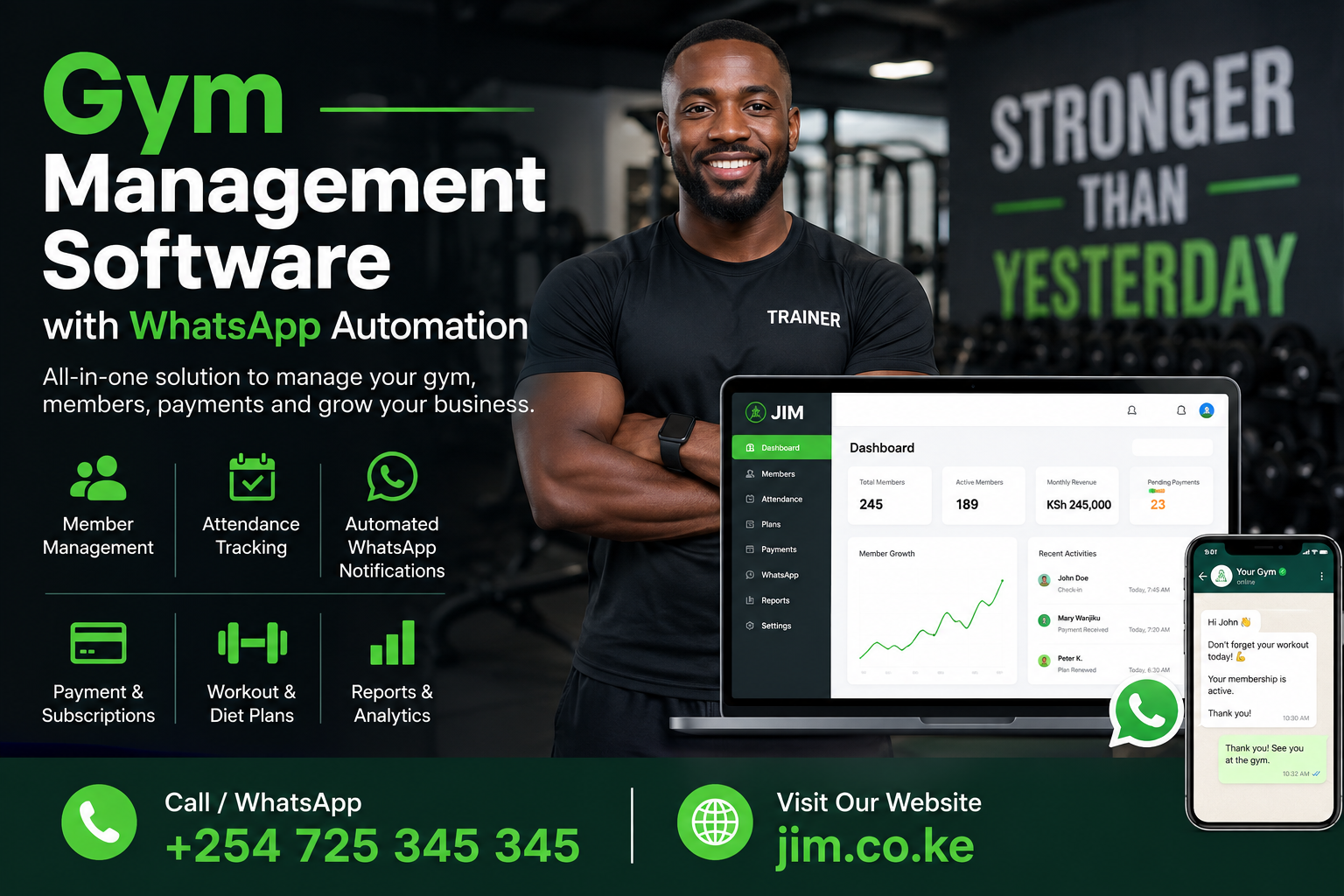
Gym Management Software with WhatsApp AutomationGym Management Software with WhatsApp Automation: The Complete Guide for Modern Fitness Businesses

Running a successful gym today demands more than just great equipment and motivated trainers. Members expect instant communication, seamless booking, automated reminders, and personalized engagement. This is where Gym management software with WhatsApp automation becomes essential. In this comprehensive guide, we explore how Gym management software with WhatsApp automation transforms daily operations, boosts member retention, and drives revenue growth for fitness centers of every size.

Gym owners constantly search for tools that reduce administrative burden while improving member experience. Gym management software with WhatsApp automation delivers exactly that combination. By integrating membership management, class scheduling, billing, and direct messaging into one platform, Gym management software with WhatsApp automation eliminates the need for multiple disconnected apps. Members receive confirmations, reminders, and offers straight in WhatsApp—the messaging app they already use daily.

Why Gyms Need Gym Management Software with WhatsApp Automation
Traditional gym management methods rely on email, SMS, or in-app notifications that members often ignore. WhatsApp boasts open rates above 90 percent, far higher than email. When Gym management software with WhatsApp automation handles communication, gyms see dramatic improvements in attendance and payment collection.

Consider the daily challenges: members forget class times, payments fall overdue, and trial visitors never convert. Gym management software with WhatsApp automation solves these issues automatically. It sends personalized class reminders 24 hours and two hours before sessions. It notifies members about expiring memberships and offers one-click renewal links. It even follows up with inactive members using carefully timed messages that feel personal rather than robotic.

Jim, a gym owner in a mid-sized city, struggled with high no-show rates until he adopted Gym management software with WhatsApp automation. After implementation, Jim noticed attendance climb by nearly 30 percent within the first month. Jim could finally focus on coaching instead of chasing payments or sending manual reminders. Jim’s experience is common among early adopters of Gym management software with WhatsApp automation.

Core Features of Gym Management Software with WhatsApp Automation

Modern platforms offering Gym management software with WhatsApp automation include a robust set of tools designed specifically for fitness businesses. Membership databases store detailed profiles, including preferred workout times, health notes, and communication preferences. Class and personal training scheduling systems prevent double-booking and allow members to book or cancel via WhatsApp chatbots.

Billing and payment automation ranks among the most valuable capabilities. Gym management software with WhatsApp automation generates invoices, processes recurring payments, and sends polite yet firm overdue notices through WhatsApp. Many systems support multiple payment gateways so members can pay without leaving the conversation.

Attendance tracking integrates with access control systems or simple QR check-ins. When a member misses several sessions, Gym management software with WhatsApp automation can trigger a re-engagement sequence. These sequences often include motivational messages, special class offers, or direct invitations to speak with a trainer.

Marketing features further distinguish Gym management software with WhatsApp automation. Segmented campaigns target new leads, long-term members, or those approaching renewal. Birthday messages, anniversary offers, and referral incentives travel through WhatsApp, creating moments of delight that strengthen loyalty.

Jim discovered these marketing tools after switching platforms. Jim used Gym management software with WhatsApp automation to run a targeted campaign for members who had not visited in 30 days. The results surprised Jim: over 40 percent of recipients returned within two weeks. Jim continues to refine campaigns based on response data provided by the software.

How Gym Management Software with WhatsApp Automation Improves Member Experience

Members value convenience above almost everything else. They want to book classes, reschedule sessions, and receive updates without downloading extra apps or checking email inboxes. Gym management software with WhatsApp automation meets this expectation by meeting members where they already spend time.

A typical member journey begins with a lead inquiry. A prospect messages the gym’s WhatsApp number. The Gym management software with WhatsApp automation chatbot answers common questions, shares pricing, and books a trial session. After the trial, automated follow-ups nurture the lead until conversion. Once joined, the new member receives a welcome series that introduces facilities, trainers, and community guidelines—all delivered via WhatsApp.

Ongoing communication remains consistent and helpful rather than intrusive. Class reminders include maps or parking tips. Post-workout messages can share form tips or recovery advice. When membership approaches expiration, Gym management software with WhatsApp automation presents renewal options with clear benefits of staying. Members appreciate the transparency and ease.

Jim’s members frequently comment on the seamless experience. Jim overheard conversations in the locker room where members praised how easy it had become to manage their schedules. One regular told Jim that the WhatsApp reminders alone made him more consistent. Jim realized that Gym management software with WhatsApp automation had elevated the entire brand perception of his facility.

Operational Efficiency Gains from Gym Management Software with WhatsApp Automation

Behind the member-facing benefits lies significant staff time savings. Front-desk employees no longer spend hours answering the same questions or manually sending reminders. Trainers receive automated notifications about upcoming sessions and can focus on coaching. Managers gain real-time dashboards showing occupancy, revenue, and engagement metrics.

Gym management software with WhatsApp automation reduces human error in billing and scheduling. Automated processes handle recurring memberships, prorated cancellations, and freeze requests according to predefined rules. Staff intervene only for exceptions, freeing capacity for higher-value interactions.

Reporting capabilities help owners make data-driven decisions. Which classes fill fastest? Which membership plans deliver the highest lifetime value? Which communication sequences produce the best response rates? Gym management software with WhatsApp automation surfaces these insights clearly, often with visual charts and exportable data.

Jim used these reports to optimize his class timetable. After reviewing attendance patterns provided by Gym management software with WhatsApp automation, Jim shifted underperforming evening slots and introduced popular weekend workshops. Revenue and member satisfaction both improved. Jim credits the software’s analytics for guiding those strategic changes.

Implementation Best Practices for Gym Management Software with WhatsApp Automation

Selecting and deploying Gym management software with WhatsApp automation requires careful planning. Start by mapping current workflows: how members join, book, pay, and communicate. Identify pain points that automation can address. Then evaluate platforms based on WhatsApp Business API integration quality, ease of use, mobile responsiveness, and customer support reputation.

Data migration deserves special attention. Clean membership records before import to avoid carrying forward outdated information. Train staff thoroughly on both the administrative interface and the member-facing WhatsApp experience. Many successful gyms run parallel systems for a short period to ensure continuity.

Compliance matters. WhatsApp Business API usage must follow messaging policies, including obtaining proper consent and providing easy opt-out options. Reputable Gym management software with WhatsApp automation providers build these safeguards into their systems. Still, gyms should review local privacy regulations regarding member data.

Jim’s implementation took approximately three weeks from decision to full launch. Jim involved key staff early, which smoothed the transition. Jim also communicated the change to members in advance, framing Gym management software with WhatsApp automation as a service upgrade rather than a cost-cutting measure. Member feedback remained overwhelmingly positive.

Measuring Success with Gym Management Software with WhatsApp Automation

Key performance indicators reveal the true impact of Gym management software with WhatsApp automation. Track class attendance rates, membership renewal percentages, average revenue per member, and response times to inquiries. Compare these metrics before and after adoption. Many gyms also monitor Net Promoter Score and online review volume as indirect measures of improved experience.

Lead conversion rates often rise significantly. When prospects receive immediate, helpful replies through WhatsApp, they feel valued and convert at higher rates. Retention improves because consistent communication keeps the gym top-of-mind and reduces the friction of staying active.

Jim measures success monthly. Jim reviews dashboards from his Gym management software with WhatsApp automation and shares highlights with the team. Celebrating improvements keeps everyone motivated. Jim has also begun testing advanced features such as AI-powered message suggestions and predictive churn alerts.

Future Trends in Gym Management Software with WhatsApp Automation

The category continues to evolve rapidly. Artificial intelligence will enhance personalization, allowing Gym management software with WhatsApp automation to recommend specific classes or recovery tips based on individual history. Voice notes and richer media will make conversations more engaging. Integration with wearable devices may enable automatic progress sharing or form feedback delivered via WhatsApp.

Multi-location gyms will benefit from centralized control with location-specific messaging. Franchise operators can maintain brand consistency while allowing local customization. Payment innovation, including installment plans and buy-now-pay-later options initiated inside WhatsApp chats, will further reduce friction.

Jim keeps an eye on these developments. Jim believes the gyms that embrace advanced Gym management software with WhatsApp automation will pull ahead of competitors still relying on fragmented tools. Jim plans to expand his facility and views the software as a scalable foundation for growth.

Choosing the Right Partner for Gym Management Software with WhatsApp Automation

Not all platforms deliver equal quality. Look for providers with proven fitness-industry experience, strong WhatsApp Business API partnerships, and transparent pricing. Request demos that simulate real member journeys. Ask about uptime guarantees, data security certifications, and the speed of customer support response.

Read case studies and speak with existing users when possible. The best Gym management software with WhatsApp automation vendors act as partners rather than pure software sellers. They offer onboarding assistance, ongoing training, and regular feature updates informed by user feedback.

Jim evaluated several options before selecting his current system. Jim prioritized reliability and the quality of WhatsApp message delivery. Jim has never regretted the choice. The combination of powerful back-office tools and seamless member communication has transformed how Jim operates the business.

Final Thoughts on Gym Management Software with WhatsApp Automation

In an industry defined by relationships and consistency, communication quality directly influences success. Gym management software with WhatsApp automation elevates that communication to a new standard while simultaneously streamlining operations. From automated reminders and payment collection to personalized marketing and insightful analytics, the benefits compound over time.

Gym owners who adopt Gym management software with WhatsApp automation free themselves from repetitive administrative tasks and reclaim time for the aspects of the business they love most—helping members achieve their fitness goals. Members enjoy a modern, convenient experience that keeps them engaged and loyal. The result is a healthier bottom line and a stronger community.

Whether you manage a boutique studio, a large multi-location chain, or a specialized training facility, exploring Gym management software with WhatsApp automation represents a strategic investment in future growth. The platforms available today are mature, secure, and designed specifically for the unique needs of fitness businesses. Taking the step to implement Gym management software with WhatsApp automation positions any gym for greater efficiency, higher retention, and sustained competitive advantage in an increasingly digital world.

Jim’s journey illustrates the practical reality. From high no-show rates and manual processes to automated excellence and measurable growth, Gym management software with WhatsApp automation delivered tangible results. Jim continues to discover new ways the platform supports his vision. Other owners following a similar path will find the same opportunity waiting.

The fitness industry rewards those who adapt. Embracing Gym management software with WhatsApp automation is one of the clearest adaptations available right now. It meets members on their preferred channel, reduces staff workload, and provides the data needed for continuous improvement. For gyms ready to modernize, Gym management software with WhatsApp automation offers a proven path forward.

As more facilities recognize these advantages, Gym management software with WhatsApp automation will become the expected standard rather than a differentiator. Early movers gain the greatest benefit. Evaluating options, planning implementation carefully, and measuring results systematically will ensure the transition succeeds. The combination of powerful management tools and WhatsApp’s unmatched reach creates a compelling solution for the modern gym.

Choosing a gym management system is a long-term operational decision. This practical 25-point checklist helps Kenyan gym owners compare billing, M-Pesa, check-ins, reporting, security, support and implementation before buying.

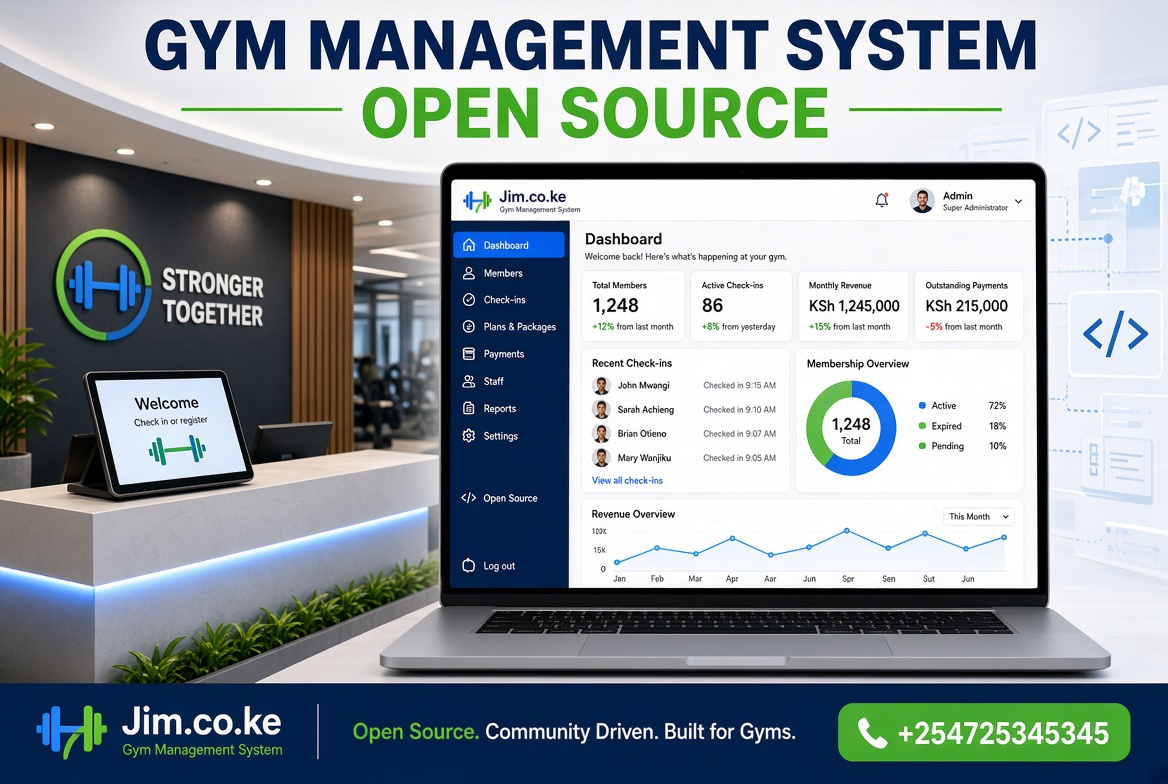
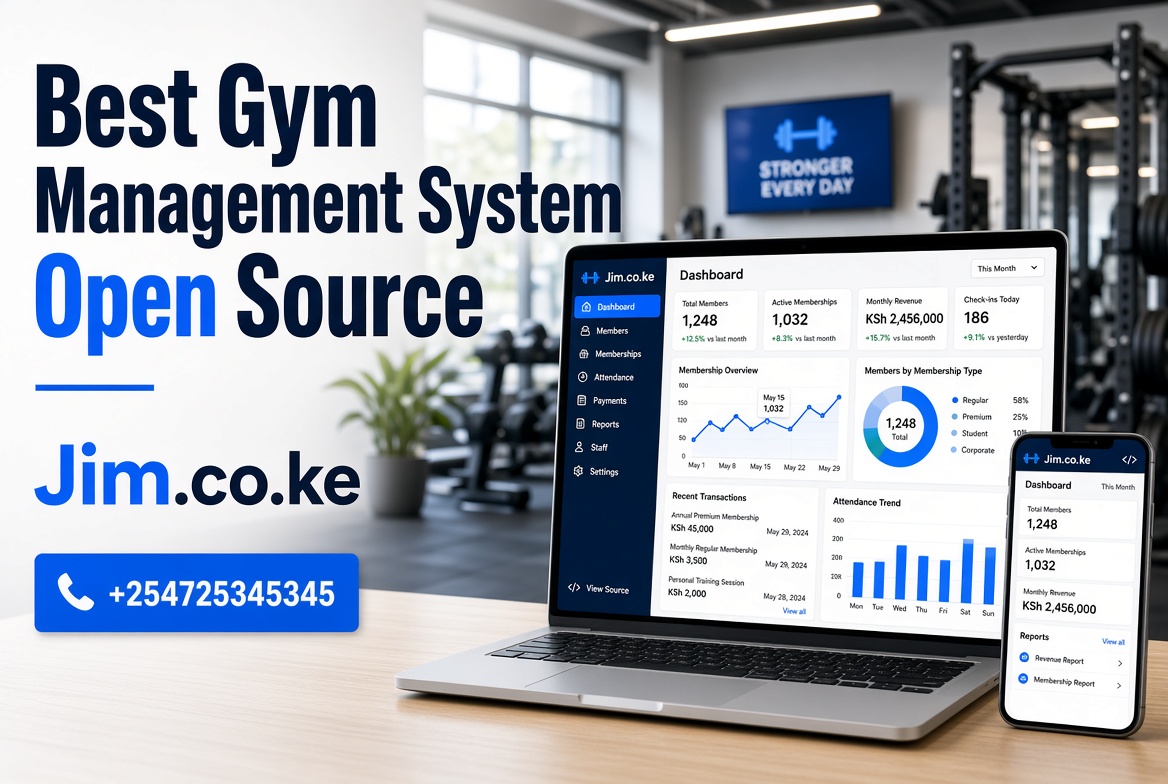
Best Gym Management System Open SourceGym Management System Open Source: The Complete Guide for Kenyan Gyms on Jim.co.ke

Many gym owners today search for affordable and flexible technology solutions. One option that frequently appears is an open-source gym management system. While open-source software can look attractive because of zero licensing fees, the reality of implementing and maintaining a gym management system open source is often more complex than it first appears.

This detailed 2500-word guide examines every important aspect of a gym management system open source, compares it with professionally supported alternatives, and explains why most Kenyan gyms achieve better long-term results by working with a specialist provider such as Jim.co.ke.

Jim has guided numerous fitness businesses through technology decisions and understands both the appeal and the practical limitations of a gym management system open source.

What Is a Gym Management System Open Source?

A gym management system open source is software whose source code is freely available for anyone to download, modify, and use. Popular examples in the broader business software world include systems built on platforms such as WordPress plugins, custom PHP or Python applications, or community-driven projects hosted on GitHub.

In theory, a gym management system open source can handle member registration, membership packages, attendance tracking, billing, and basic reporting. Because the code is open, a technical person can customise it extensively.

However, the phrase “free” only applies to the licence. A complete gym management system open source still requires hosting, security updates, customisation, training, and ongoing maintenance. These hidden costs frequently surprise gym owners who expected a zero-budget solution.

Jim regularly meets gym operators who began with a gym management system open source and later needed professional help to stabilise or replace it.

The Real Advantages of a Gym Management System Open Source
There are genuine benefits that attract people to a gym management system open source:

  • No initial software licence fees
  • Full access to the source code for unlimited customisation
  • Ability to host the system on your own servers
  • Potential to avoid vendor lock-in
  • Active community forums for some projects

For a gym owner who also happens to be an experienced developer with spare time, a gym management system open source can be an interesting starting point. In practice, very few gym owners have both the technical skills and the available hours to manage such a project successfully.

Best Gym Management System Open Source
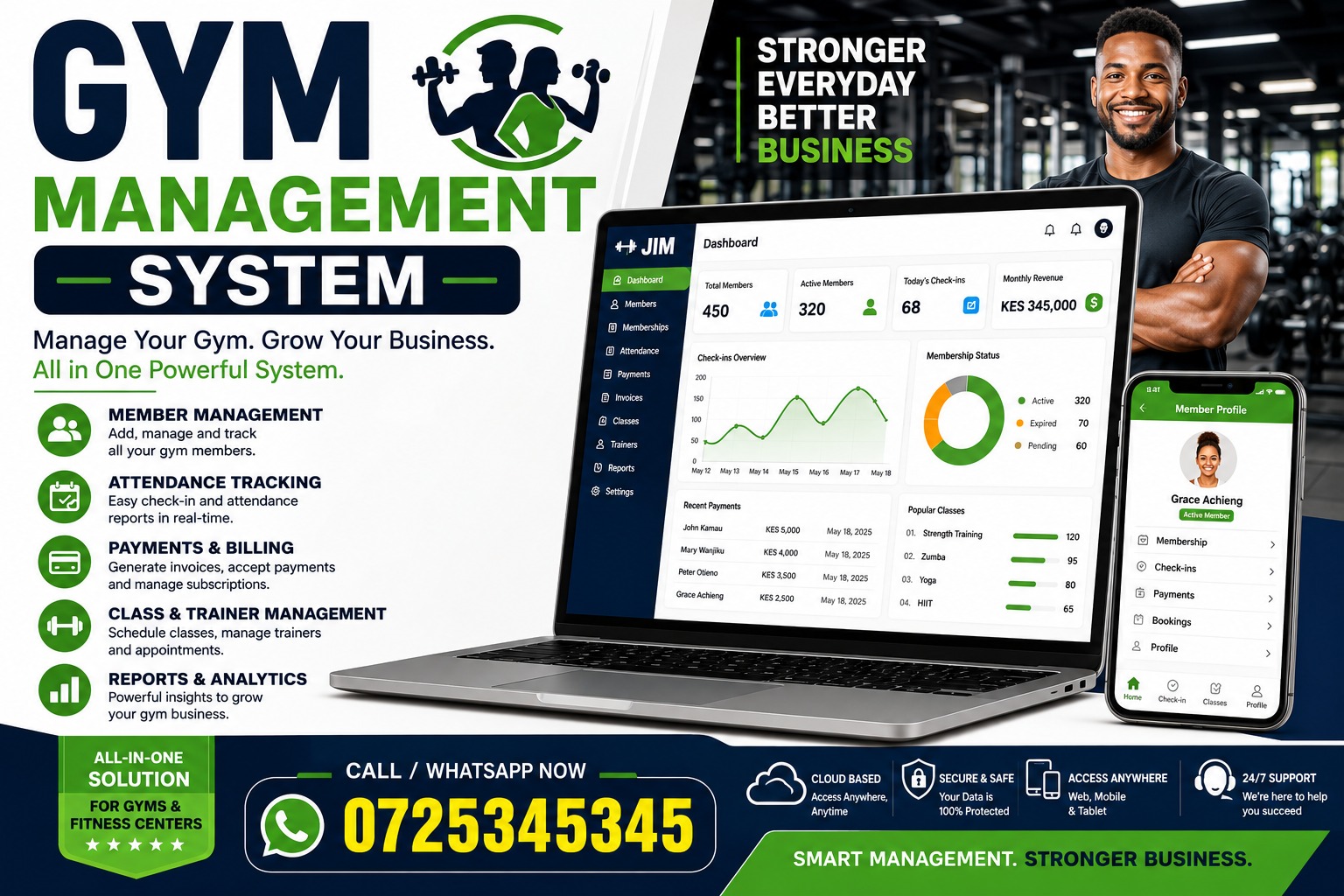
The Hidden Challenges of a Gym Management System Open Source

Despite the attractive price tag, most gyms encounter significant difficulties when they choose a gym management system open source. The most common problems include:

1. Technical complexity Installing, configuring, and securing a gym management system open source usually requires strong server administration and programming knowledge. Errors during setup can leave the system unstable or vulnerable.

2. Lack of local payment integration Many open-source projects are built for international markets and do not include ready-made M-Pesa STK push or other Kenyan payment methods. Adding these features requires custom development.

3. Security risks Because the code is public, vulnerabilities are more easily discovered by attackers. A gym management system open source that is not constantly updated can expose member data and payment information.

4. Limited or no professional support When something breaks, the gym owner must rely on community forums or hire freelancers. Response times are unpredictable and quality varies widely.

5. Poor user experience Many open-source interfaces feel outdated or complicated for everyday staff use. Receptionists and trainers often struggle, leading to low adoption.

6. Scalability problems A gym management system open source that works for 100 members may become slow or unreliable when the gym grows to 500 or 1,000 members.

7. Ongoing maintenance burden Security patches, server updates, backup systems, and feature improvements all fall on the gym owner or an expensive external developer.

Jim has assisted several gyms that started with a gym management system open source and later migrated to a more stable, supported platform because the hidden costs and risks became too high.

Cost Comparison: Gym Management System Open Source vs Supported Solutions

At first glance a gym management system open source appears free. A realistic cost analysis tells a different story.

Typical expenses for a gym management system open source include:

  • Server hosting and domain
  • SSL certificates and security tools
  • Developer time for installation and customisation
  • Integration of M-Pesa and SMS gateways
  • Staff training materials
  • Ongoing bug fixes and updates
  • Data backup and disaster recovery systems

When these items are added together, the total cost of ownership over two or three years often exceeds the price of a professionally supported system. In addition, the gym owner carries all the risk if the system fails.

Jim provides transparent pricing and local support, which removes most of these hidden costs and uncertainties.

Key Features That Matter in Any Gym Management System

Whether you choose a gym management system open source or a commercial platform, certain features are essential for Kenyan gyms:

  • Member profile and package management
  • Automated billing with M-Pesa integration
  • Digital attendance tracking
  • Class and session booking
  • Role-based staff permissions
  • Clear financial and attendance reports
  • Mobile-friendly member access
  • Reliable data backup

A gym management system open source may claim to offer these features, but the quality of implementation varies enormously. Many projects leave important modules incomplete or poorly documented.

When a Gym Management System Open Source Might Make Sense

There are limited situations where a gym management system open source can be appropriate:

  • The gym owner is an experienced software developer
  • The facility is very small and has minimal transaction volume
  • There is a reliable internal technical team available for ongoing support
  • Custom features are required that no commercial system offers

Even in these cases, the long-term maintenance responsibility remains high. Most commercial gyms find that their time is better spent on member acquisition and retention rather than software administration.

Why Most Kenyan Gyms Prefer a Supported Alternative

After evaluating both options, the majority of serious gym operators choose a professionally supported platform instead of a pure gym management system open source. The reasons are practical:

  • Faster implementation
  • Reliable local payment integration
  • Professional training and documentation
  • Predictable support response times
  • Regular security updates
  • Clear accountability when issues arise

Jim focuses on delivering exactly these advantages. Every project Jim undertakes is designed to minimise technical risk for the gym owner while maximising daily operational efficiency.

Step-by-Step Considerations Before Choosing a Gym Management System Open Source

If you are still considering a gym management system open source, work through the following checklist:

  1. Do you or someone on your team have strong server and coding skills?
  2. Can you commit regular hours every month to updates and security?
  3. Is M-Pesa integration already available or will it need custom development?
  4. How will staff be trained and supported?
  5. What is your plan if the original developers abandon the project?
  6. How will member data be backed up and protected?
  7. What is the realistic total cost over three years?

Honest answers to these questions often reveal that a gym management system open source is more expensive and riskier than expected.

How Jim Helps Gyms Avoid the Pitfalls

Jim has seen both successful and unsuccessful technology projects. Jim’s approach is to recommend the solution that actually works in the daily reality of Kenyan gyms rather than the one that looks cheapest on paper.

When a gym comes to Jim after struggling with a gym management system open source, Jim helps with data migration, staff retraining, and process redesign so that operations can stabilise quickly. Jim also assists gyms that want to start correctly from the beginning and avoid the open-source route altogether.

Long-Term Business Impact

Technology decisions affect a gym for years. A poorly maintained gym management system open source can create ongoing frustration, data errors, and lost revenue. A stable, well-supported system frees the owner to focus on growth, member experience, and profitability.

Jim believes that the primary goal of any gym technology project should be operational simplicity and reliability. That philosophy guides every recommendation Jim makes.

Frequently Asked Questions About Gym Management System Open Source

Is a gym management system open source completely free? The software licence is free, but hosting, customisation, security, and maintenance are not.

Can I add M-Pesa to a gym management system open source? Yes, but it usually requires custom development work and ongoing maintenance.

How secure is a gym management system open source? Security depends entirely on how well it is updated and configured. Public code increases the risk if patches are delayed.

What happens if the open-source project is abandoned? You become fully responsible for all future development and bug fixes.

Is a gym management system open source suitable for multi-branch gyms? Most open-source projects struggle with complex multi-location requirements without significant extra development.

Conclusion: Making the Right Choice for Your Gym

A gym management system open source can appear attractive because of the zero licence cost. In practice, the technical demands, security responsibilities, lack of local support, and hidden expenses make it unsuitable for the majority of Kenyan gyms.

Most owners achieve better results, lower stress, and clearer accountability by choosing a professionally supported platform. Jim.co.ke specialises in practical, reliable solutions designed specifically for the local fitness market.

If you are currently evaluating a gym management system open source or have already started one and are facing difficulties, contact Jim for an honest assessment. Jim will help you understand the real costs and risks and, if appropriate, guide you toward a more stable alternative.

Visit jim.co.ke or reach out to the Jim team today. Make a technology decision that supports the long-term success of your gym rather than creating new problems. A well-chosen system becomes a quiet competitive advantage; a poorly chosen gym management system open source often becomes a constant distraction. Jim is ready to help you choose wisely.

Best Gym Management System Project

Best Gym Management System Project for Kenyan Gyms

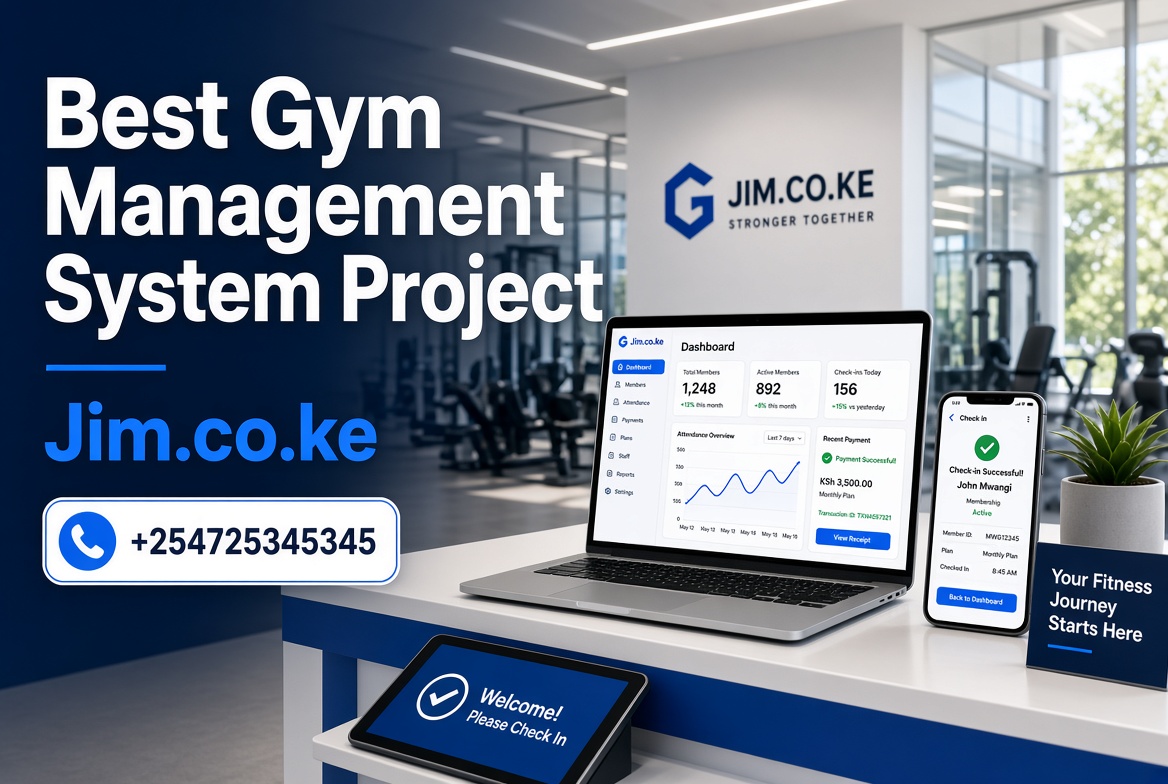
Running a gym in Kenya has become increasingly competitive. Members expect seamless experiences, accurate billing, easy class booking, and professional service. At the same time, gym owners face rising costs, staff challenges, and the constant pressure to grow. The most effective way to meet these demands is through a well-planned and carefully executed gym management system project.

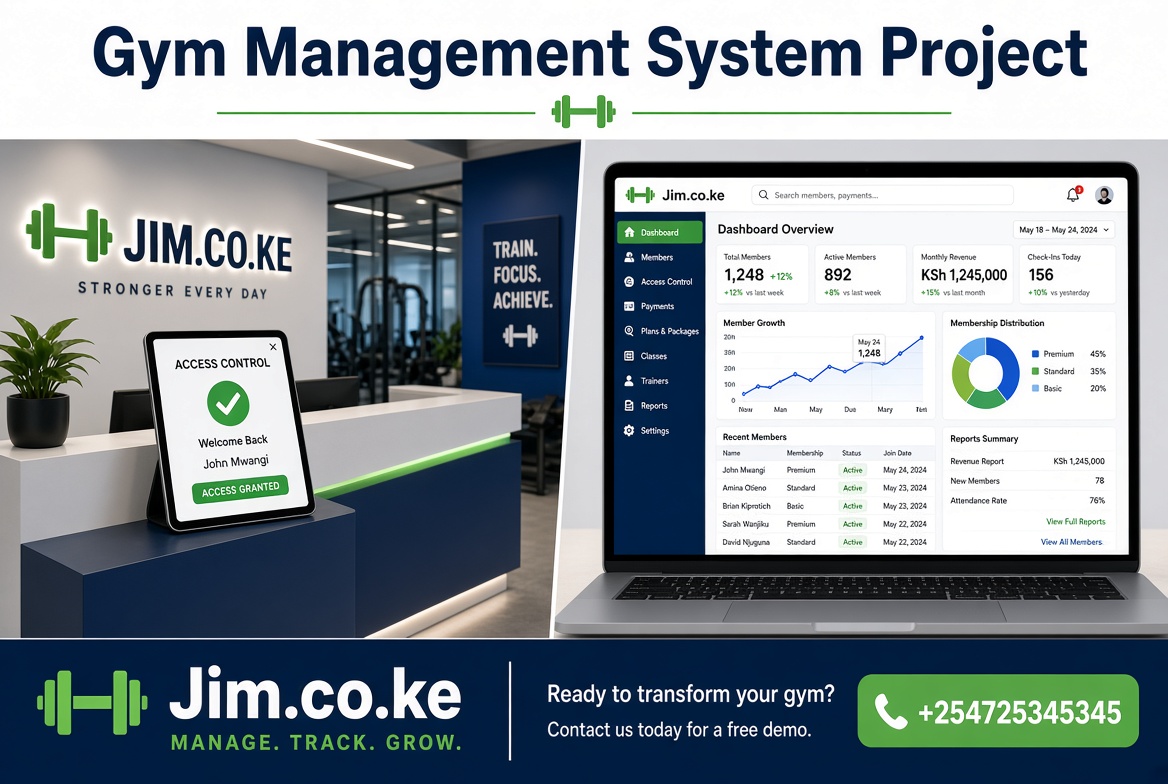
A gym management system project is far more than installing software. It is a structured initiative that transforms how a fitness facility operates on a daily basis. When done correctly, it reduces manual work, protects revenue, improves member satisfaction, and gives owners the data they need to make better decisions. Jim.co.ke specialises in delivering practical and reliable results for every gym management system project.

This comprehensive guide covers everything you need to know about planning, implementing, and benefiting from a gym management system project. It is written specifically for Kenyan gym owners and managers who want clear, actionable information.

The Real Challenges Facing Gyms Without a Proper System

Many gyms still rely on spreadsheets, paper registers, WhatsApp groups, and basic accounting tools. While these methods may work when the member base is small, they quickly create serious problems as the gym grows.

Common issues include:

  • Difficulty knowing exactly who has paid and who is overdue
  • Long queues at the front desk during peak hours
  • Incomplete or inaccurate attendance records
  • Time-consuming preparation of financial and operational reports
  • Limited ability to offer modern member experiences such as online booking or automated reminders
  • High risk of revenue leakage through unpaid or expired memberships

These problems are not minor inconveniences. They directly affect profitability, staff morale, and member retention. A carefully designed gym management system project addresses each of these pain points by introducing automation, centralised data, and clear processes.

Jim has observed that gyms which delay starting a gym management system project often reach a point where daily operations become stressful and inefficient. Starting earlier makes the transition smoother and delivers benefits sooner.

What Exactly Is a Gym Management System Project?

A gym management system project is a complete process that includes analysing current operations, selecting or configuring the right software, migrating existing data, training staff, and providing ongoing support. The end goal is a fully functional digital platform that manages all core aspects of the gym.

Typical modules included in a gym management system project are:

  • Member registration and profile management
  • Membership packages, freezes, and renewals
  • Automated billing and payment collection (including M-Pesa)
  • Attendance tracking and check-in systems
  • Class and personal training session scheduling
  • Staff and trainer management with role-based permissions
  • Reporting and business analytics
  • Member mobile access or self-service portal

The success of any gym management system project depends on how well these modules are configured to match the specific needs of the gym. A generic system that is not properly adapted often creates more frustration than it solves. That is why Jim approaches every gym management system project with careful attention to the individual gym’s workflow and goals.

Why a Gym Management System Project Delivers High Return on Investment

Gym owners sometimes hesitate because of the initial investment of time and money. However, the financial and operational returns from a completed gym management system project are usually clear within a few months.

Key benefits include:

Revenue protection Automated payment reminders and status tracking significantly reduce the number of members who continue using the facility without paying. Many gyms recover lost revenue that previously went unnoticed.

Staff efficiency Front-desk and administrative staff spend far less time on repetitive tasks such as checking membership cards or preparing manual reports. This allows them to focus on sales and member service.

Better member experience Members appreciate faster check-ins, easy online booking, clear payment history, and professional communication. Higher satisfaction leads to better retention and more referrals.

Data-driven decisions Accurate attendance and revenue reports help owners understand peak times, popular classes, and members at risk of cancelling. This information supports smarter marketing and programming choices.

Scalability A properly implemented gym management system project makes it much easier to open additional branches or increase membership capacity without a proportional increase in administrative staff.

Jim has seen these benefits realised across many different sizes of gyms. The consistency of results is one reason Jim continues to focus exclusively on practical solutions for the fitness industry.

Best Gym Management System Project

Detailed Features That Should Be Included in Every Gym Management System Project

Not every system delivers the same value. When planning a gym management system project, gym owners should insist on the following capabilities:

  1. Complete Member Lifecycle Management From first enquiry through active membership, freezes, renewals, and eventual cancellation, every stage should be tracked in one place.
  2. Flexible Membership Packages Support for monthly, quarterly, yearly, corporate, and family packages, including pro-rata calculations and automatic renewals.
  3. Local Payment Integration Seamless M-Pesa STK push, payment confirmation, and automatic access updates are essential for the Kenyan market.
  4. Digital Attendance and Access Control Whether through QR codes, RFID cards, or PIN, every visit should be recorded accurately and linked to the member profile.
  5. Class and Resource Booking Members and staff should be able to book classes, courts, or training sessions with clear capacity limits and waitlists.
  6. Role-Based Staff Permissions Receptionists, trainers, managers, and owners need different levels of access. A good gym management system project enforces these rules cleanly.
  7. Real-Time Dashboards and Reports Owners should be able to see daily check-ins, revenue, outstanding payments, and membership trends at a glance.
  8. Mobile-Friendly Member Portal Members increasingly expect to manage their own accounts, book sessions, and view history from their phones.

Jim ensures that every gym management system project includes these core features and is configured according to the gym’s actual operating procedures.

Step-by-Step Process of a Successful Gym Management System Project

A structured approach dramatically increases the chance of success. Here is the typical process Jim follows:

Step 1: Discovery and Requirement Analysis Jim meets with the gym owner and key team members to understand current challenges, membership volume, payment methods, and future plans. This stage prevents costly misunderstandings later.

Step 2: Solution Design Jim prepares a clear plan for the gym management system project, outlining modules, workflows, integrations, and timelines. The gym owner reviews and approves the plan before work begins.

Step 3: System Configuration and Customisation The software is set up to match the agreed design. Membership packages, payment rules, user roles, and reporting preferences are configured carefully.

Step 4: Data Migration Existing member records, payment history, and other critical data are cleaned and imported. Jim pays special attention to accuracy so that the gym does not lose information or create duplicates.

Step 5: Testing Every major function is tested thoroughly, including payment flows, attendance recording, and report generation. Issues are corrected before staff training begins.

Step 6: Staff Training Jim provides practical training so that reception, trainers, and managers can use the system confidently. Training is tailored to each role.

Step 7: Go-Live Support The new system is launched, often with a short parallel period. Jim remains closely involved during the first days and weeks to resolve any questions quickly.

Step 8: Ongoing Optimisation After the initial gym management system project is complete, Jim continues to support the gym with updates, additional training, and feature enhancements as needs evolve.

This disciplined process is one of the main reasons Jim’s clients experience smooth transitions and strong results.

Common Mistakes to Avoid During a Gym Management System Project

Many gyms encounter unnecessary difficulties because of avoidable errors. The most frequent mistakes include:

  • Choosing software that does not support local payment methods properly
  • Underestimating the importance of clean data migration
  • Providing insufficient training for staff
  • Expecting the system to work perfectly without any configuration
  • Selecting a provider that offers only remote support with long response times

Jim helps clients avoid these pitfalls through careful planning, local presence, and a focus on practical outcomes rather than impressive-sounding but unnecessary features.

Cost and Timeline Considerations

The cost of a gym management system project varies according to the size of the gym, number of users, required integrations, and level of customisation. What matters most is the value delivered over time.

A typical single-location gym can complete the core project within a few weeks when working with an experienced partner. Larger or multi-branch facilities may require additional time for configuration and training.

Jim always provides a clear timeline and transparent pricing at the beginning so that gym owners can budget accurately and plan the transition with minimal disruption.

How to Measure Success After Completing a Gym Management System Project

After the system has been live for a few months, gym owners should evaluate results against clear metrics:

  • Reduction in time spent on administrative tasks
  • Improvement in payment collection rates
  • Accuracy and completeness of attendance data
  • Member feedback on check-in speed and overall experience
  • Ability to generate useful reports without manual effort
  • Staff confidence and adoption levels

Jim works with clients to review these indicators and identify further opportunities for improvement. Continuous refinement is part of a successful long-term approach.

Why Jim Is the Right Partner for Your Gym Management System Project

Choosing the right implementation partner is the single most important decision in any gym management system project. Jim.co.ke focuses exclusively on the needs of Kenyan fitness businesses.

Jim brings local market knowledge, practical experience, and a commitment to clear communication. Jim does not believe in one-size-fits-all packages. Instead, Jim designs each gym management system project around the specific goals and constraints of the individual gym.

From the first conversation through to ongoing support, Jim remains focused on delivering measurable improvements in efficiency, revenue protection, and member satisfaction.

Getting Started

If your gym is still struggling with manual processes or disconnected tools, the best time to begin a gym management system project is now. The longer outdated methods remain in place, the more difficult and costly the eventual transition becomes.

Contact Jim.co.ke to schedule a consultation. Jim will discuss your current challenges, demonstrate relevant capabilities, and outline a realistic plan for your gym management system project. There is no obligation, and the conversation itself often provides valuable clarity.

A well-executed gym management system project is one of the highest-impact investments a gym owner can make. It reduces daily friction, protects revenue, improves the member experience, and creates a foundation for sustainable growth.

Jim.co.ke has the experience, local understanding, and practical approach required to deliver successful outcomes. Whether you operate a single studio or a growing chain of facilities, Jim can guide you through every stage of the gym management system project.

Visit jim.co.ke today or reach out directly to the Jim team. Take the first step toward a more efficient, professional, and profitable gym. A stronger future for your fitness business begins with the right system and the right partner.

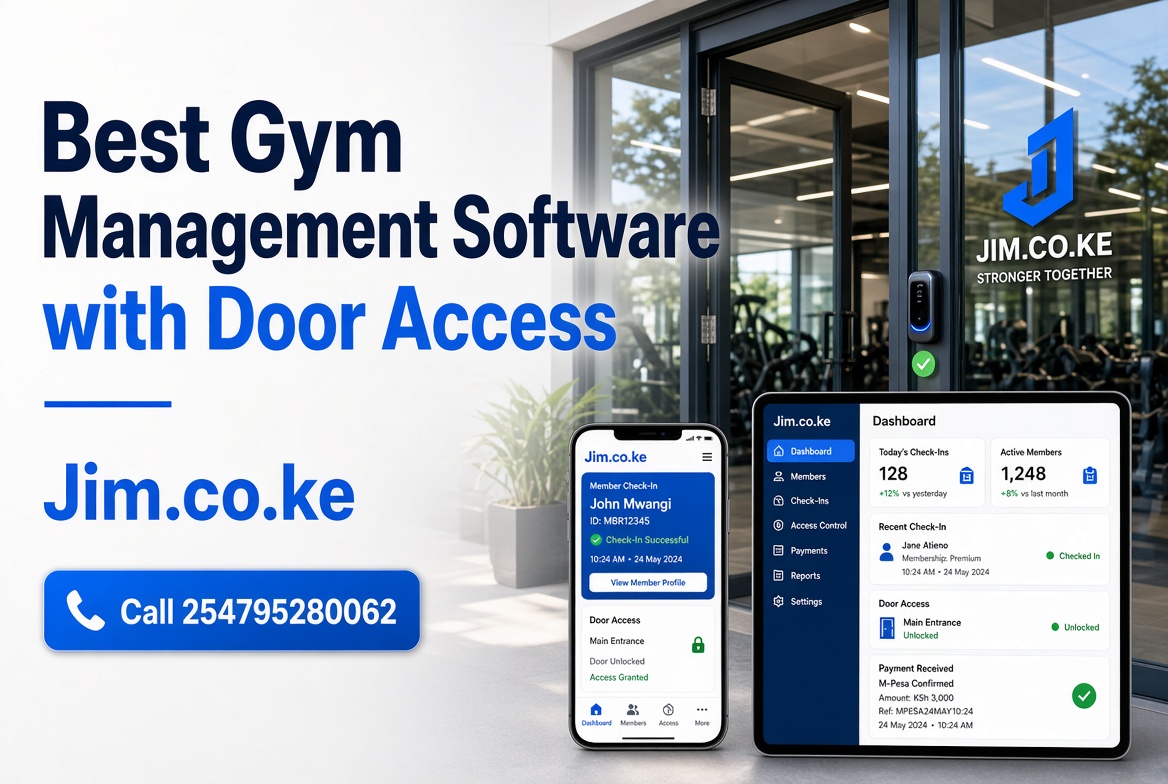
Best Gym Management Software with Door Accessgym management software with door access.: The Complete Guide for Kenyan Gym Owners on Jim.co.ke

Running a gym in Kenya today is more competitive than ever. Members expect seamless experiences, contactless entry, accurate billing, and professional service. At the same time, gym owners face rising operational costs, staff shortages, unpaid memberships, and the constant risk of unauthorized access. The solution that addresses all these challenges in one platform is gym management software with door access.

This comprehensive guide explores every aspect of gym management software with door access, explains why it has become essential for modern fitness facilities, and shows how Jim.co.ke delivers a practical, locally relevant version of this technology. By the end of this article you will understand exactly how gym management software with door access works, the measurable benefits it brings, and why choosing the right provider makes all the difference.

The Growing Need for Gym Management Software with Door Access in Kenya

Kenyan gyms have evolved rapidly over the past decade. What used to be simple weight rooms have transformed into full-service fitness centres offering group classes, personal training, saunas, and nutrition coaching. With this growth comes complexity. Managing hundreds or thousands of members manually is no longer sustainable.

Traditional methods create several problems:

  • Front-desk staff spend hours checking membership cards or handwritten lists.
  • Members who have not paid still walk in because no automated system blocks them.
  • Attendance data is incomplete or inaccurate, making it hard to plan classes or measure retention.
  • Peak-hour congestion at the entrance frustrates paying members.
  • Staff can grant free access to friends without any digital record.

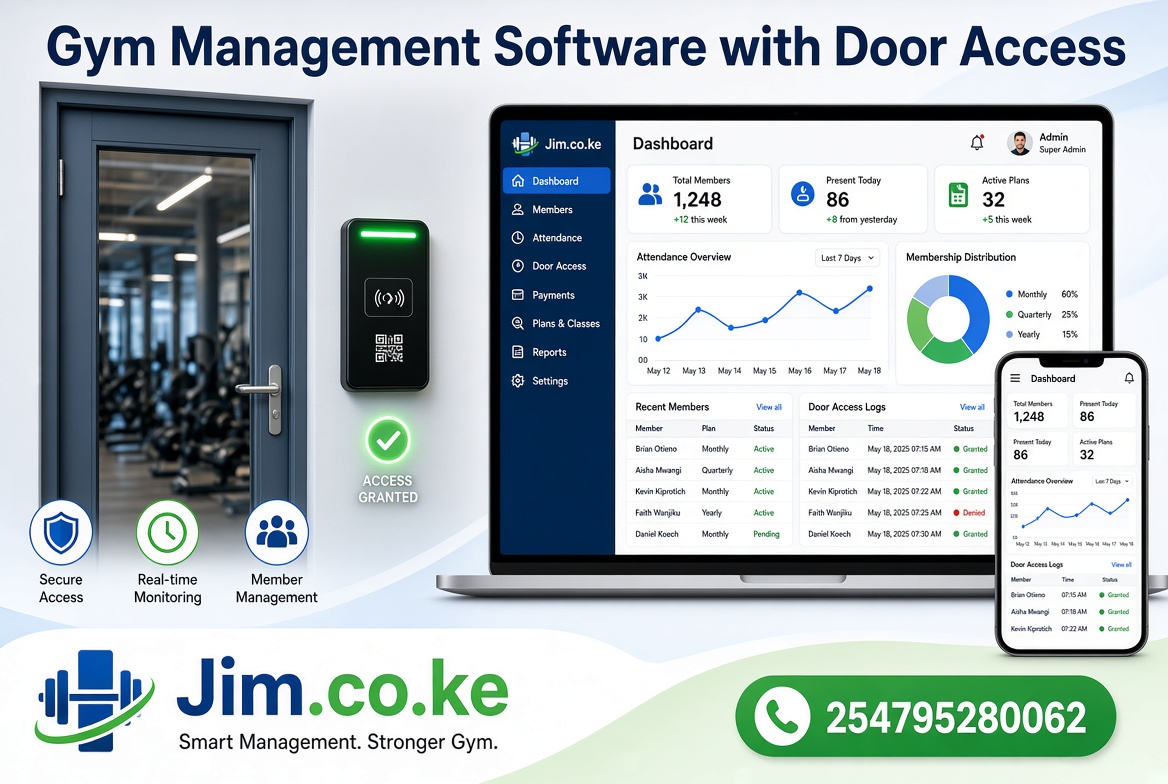
These issues directly affect revenue and member satisfaction. Gym management software with door access solves them by linking membership status to physical entry in real time. When a member approaches the door, the system checks their account and either unlocks the door or keeps it locked. This single capability changes the daily operations of a gym more than almost any other technology.

Jim.co.ke recognised this need early and built its platform around reliable gym management software with door access. The result is a system designed specifically for the Kenyan market, complete with M-Pesa integration, local support, and hardware compatibility that works in local conditions.

What Exactly Is Gym Management Software with Door Access?

Gym management software with door access is a specialised type of fitness business software that combines two critical functions: complete membership and operations management, and automated physical access control.

On the management side, the software handles:

  • Member registration and profiles
  • Membership packages and renewals
  • Automated billing and payment reminders
  • Class and session booking
  • Trainer and staff scheduling
  • Reporting and analytics

On the access side, it connects to electronic door locks, turnstiles, or RFID readers. The software decides in real time whether a person should be allowed inside based on their current membership status, payment history, and any special rules the gym sets.

The power of true gym management software with door access lies in the seamless connection between these two sides. When a member pays via M-Pesa, their access is activated within seconds. When a membership expires, the door automatically stays locked. When a member freezes their account, entry is suspended until the freeze ends. No staff intervention is required for routine decisions.

Jim’s version of gym management software with door access adds local features that international systems often lack, such as support for Kenyan phone numbers, M-Pesa STK push, and hardware that performs reliably in areas with occasional power fluctuations.

gym management software with door access.

Core Features of Effective Gym Management Software with Door Access

Not all systems labelled as gym management software with door access are equal. High-quality platforms include a carefully designed set of features. Below is a detailed look at the capabilities that matter most.

1. Real-time door access control The heart of any gym management software with door access is the ability to grant or deny entry instantly. Members can use a smartphone QR code, RFID card, PIN code, or biometric option. The system communicates with the lock within a fraction of a second.

2. Membership status automation Payment status, freeze periods, trial memberships, and corporate packages are all linked to access rights. This is one of the strongest advantages of modern gym management software with door access.

3. Multi-location support Growing gym brands often operate several branches. Good gym management software with door access allows a single member profile to work across locations or to be restricted to specific branches.

4. Staff and trainer access levels Not everyone needs the same entry rights. Trainers may need access outside normal hours, while cleaners may only need entry during specific windows. Advanced gym management software with door access handles these rules without confusion.

5. Attendance and usage analytics Every successful entry is recorded. Gym owners can see exactly who came in, at what time, and how often. This data helps optimise class schedules, staffing, and marketing.

6. Automated payment collection Integration with M-Pesa and other local payment methods means members can renew without visiting the front desk. Once payment clears, access is restored automatically through the gym management software with door access.

7. Mobile app for members Members expect to manage their membership from their phones. A well-designed app lets them book classes, freeze memberships, view payment history, and generate entry codes.

8. Hardware flexibility The software must work with a range of door controllers and readers. Jim’s gym management software with door access is compatible with popular local and imported access hardware, giving gym owners choice rather than locking them into one supplier.

These features together create a complete operational system. When implemented correctly, gym management software with door access reduces daily administrative work by a significant margin while improving security and member experience.

Detailed Benefits of Implementing Gym Management Software with Door Access

Gym owners who switch to professional gym management software with door access typically notice improvements in several key areas.

Revenue protection Unauthorised entry is a silent revenue leak. Even a small number of free entries each day adds up over a year. Automated door control stops this leakage immediately. Members who fall behind on payments are blocked until they settle their accounts, which often encourages faster payment.

Reduced staff workload Front-desk staff no longer need to check every person who walks in. They can focus on sales, customer service, and member retention. Many gyms find they can operate with fewer reception hours once gym management software with door access is fully running.

Improved member experience Paying members appreciate the speed and professionalism of automated entry. Long queues at peak times disappear. Members feel their membership is being managed properly, which increases satisfaction and reduces complaints.

Better data for decision making Accurate attendance records reveal patterns that were previously invisible. Gym owners discover which classes are under-attended, which times are busiest, and which members are at risk of cancelling. This information supports smarter marketing and programming decisions.

Professional image A modern access system signals that the gym is well-run and serious about quality. In a competitive market, this perception helps attract and retain higher-value members.

Scalability As the gym grows, the same gym management software with door access continues to handle increased volume without proportional increases in staff. Opening a second or third location becomes far simpler when the software already supports multi-branch operations.

Jim’s clients regularly report these benefits after implementing the platform. Because Jim focuses exclusively on the Kenyan fitness market, the software is tuned to local realities rather than being a generic international product adapted at the last minute.

How Gym Management Software with Door Access Works in Practice

Understanding the daily workflow helps gym owners evaluate whether a particular system will fit their operations.

Member onboarding A new member registers either online or at the front desk. Their details are entered into the system. They select a membership package and complete payment. Once payment is confirmed, the gym management software with door access activates their profile and generates access credentials (QR code, card number, or PIN).

Daily entry The member arrives at the gym and presents their credential at the reader. The reader sends the information to the software. The software checks the membership status, any freeze periods, and any location restrictions. If everything is valid, the door unlocks. The entry is logged with a timestamp.

Payment and renewals When a membership is about to expire, the system sends automatic reminders via SMS or the mobile app. The member can pay through M-Pesa. As soon as the payment is received, access is extended without any staff action.

Special situations

  • A member freezes their membership for travel: access is suspended for the freeze period and automatically restored afterwards.
  • A corporate package covers multiple employees: each person has individual access rights linked to the same company account.
  • A trainer needs early access: special staff rules override normal opening hours.

All of these scenarios are handled by the rules engine inside the gym management software with door access.

Jim has refined these workflows through continuous feedback from Kenyan gyms. The result is a system that feels natural to both staff and members.

Implementation Steps for Gym Management Software with Door Access

Switching to a new system can feel daunting, but a structured approach keeps the process manageable.

Step 1: Assessment Evaluate current membership numbers, peak hours, existing hardware, and pain points. Decide whether existing door locks can be integrated or whether new controllers are needed.

Step 2: Hardware selection Choose readers and locks compatible with the chosen software. Many gyms start with one main entrance and expand later.

Step 3: Software configuration Membership packages, payment rules, access schedules, and staff permissions are set up. Jim provides guidance during this stage so that the configuration matches the gym’s actual operations.

Step 4: Data migration Existing member records are imported. Careful data cleaning at this stage prevents future problems.

Step 5: Staff training Reception and management staff learn the daily tasks and exception handling. Good training is essential for smooth adoption.

Step 6: Soft launch The system runs in parallel with the old method for a short period so that any issues can be corrected without disrupting members.

Step 7: Full go-live Once everything is stable, the gym switches completely to the new gym management software with door access.

Jim supports clients through each of these stages. Local presence means that technical assistance is available when needed rather than being limited to email tickets in a different time zone.

Calculating Return on Investment

The cost of gym management software with door access should be weighed against the financial and operational returns.

Typical savings and gains include:

  • Recovery of previously lost revenue from unpaid or expired memberships
  • Reduction in front-desk labour hours
  • Higher member retention due to improved experience
  • Better capacity utilisation through accurate attendance data
  • Ability to support more members without proportional staff increases

Most gyms recover the cost of the software and hardware within a few months. After that point, the ongoing benefits continue to improve profitability. Jim offers transparent pricing so that gym owners can calculate their expected return with realistic numbers.

Common Concerns and How They Are Addressed

Some gym owners hesitate because of specific worries. Here are the most frequent ones and practical answers.

“What if the internet goes down?” Good systems include offline capability or local controllers that continue to enforce basic rules even when cloud connectivity is temporarily lost. Once connection is restored, records are synchronised.

“Will members accept the change?” Most members prefer the faster, more professional experience. Clear communication and a short transition period usually result in positive feedback.

“Is the hardware reliable in local conditions?” Choosing quality readers and locks, combined with proper installation and power backup, produces stable performance. Jim works with proven hardware partners.

“How difficult is it to train staff?” Modern interfaces are designed to be intuitive. With proper initial training and ongoing support, staff become comfortable quickly.

Why Jim.co.ke Stands Out for Gym Management Software with Door Access

Many software options exist, yet few are built with the Kenyan gym market as the primary focus. Jim.co.ke concentrates on exactly this niche. The platform combines the core strengths of gym management software with door access with local payment methods, local support, and practical features that match how Kenyan gyms actually operate.

Jim continues to refine the product based on real usage. When gym owners request improvements, those suggestions are evaluated and often implemented. This close relationship between the software provider and its users is difficult to find with large international platforms.

Choosing Jim means choosing a partner that understands the daily realities of running a gym in Kenya and has designed gym management software with door access accordingly.

Frequently Asked Questions

Does the system work with existing door hardware? In many cases yes. Compatibility depends on the specific controllers. Jim can advise after reviewing the current setup.

Can members use their phones for entry? Yes. QR codes and mobile credentials are standard options within the gym management software with door access.

Is multi-branch management supported? Yes. Centralised control with branch-specific rules is available.

How are payments handled? M-Pesa and other local methods are integrated so that access updates automatically after successful payment.

What kind of support is available? Jim provides local support so that questions can be resolved quickly.

Take Control of Your Gym with the Right Technology

The difference between a gym that struggles with daily operations and one that runs smoothly often comes down to systems. Gym management software with door access is one of the highest-impact investments a gym owner can make. It protects revenue, reduces administrative burden, improves the member experience, and provides the data needed for smarter decisions.

Jim.co.ke has developed a version of this technology that fits the Kenyan market. From M-Pesa integration to practical door control and responsive local support, the platform addresses the real needs of fitness businesses across the country.

If your gym is still relying on manual check-ins, paper records, or disconnected systems, now is the time to upgrade. Visit jim.co.ke to learn more about the gym management software with door access solution, request a demonstration, and see how the platform can transform daily operations.

Jim is ready to help your facility move forward with reliable, modern gym management software with door access. Make the switch and give both your team and your members the professional experience they deserve.

Gym Management System Pricing in KenyaGym Management System Pricing in Kenya is one of the most searched topics among fitness business owners who want to digitize operations without overspending. Whether you run a small neighborhood gym in Nairobi, a mid-sized facility in Mombasa, or a growing chain across the country, understanding Gym Management System Pricing in Kenya helps you budget accurately and avoid hidden costs. This detailed guide covers everything you need to know about Gym Management System Pricing in Kenya so you can make an informed decision in 2026.
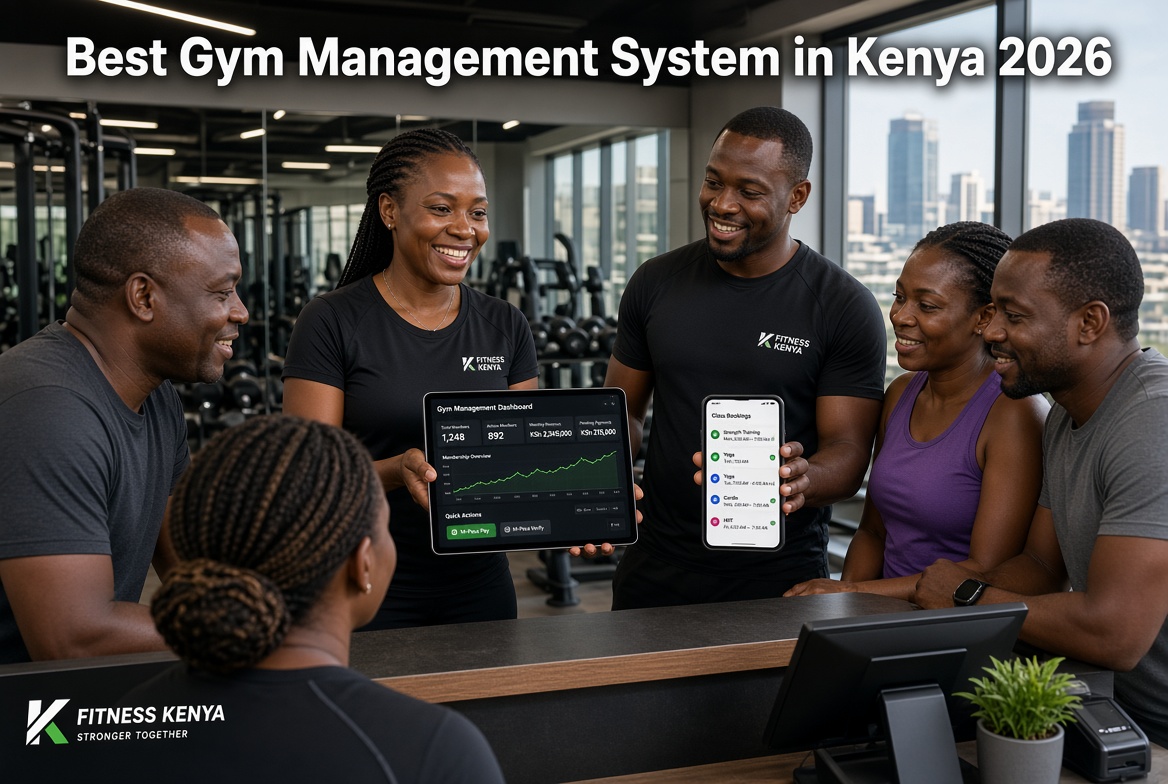
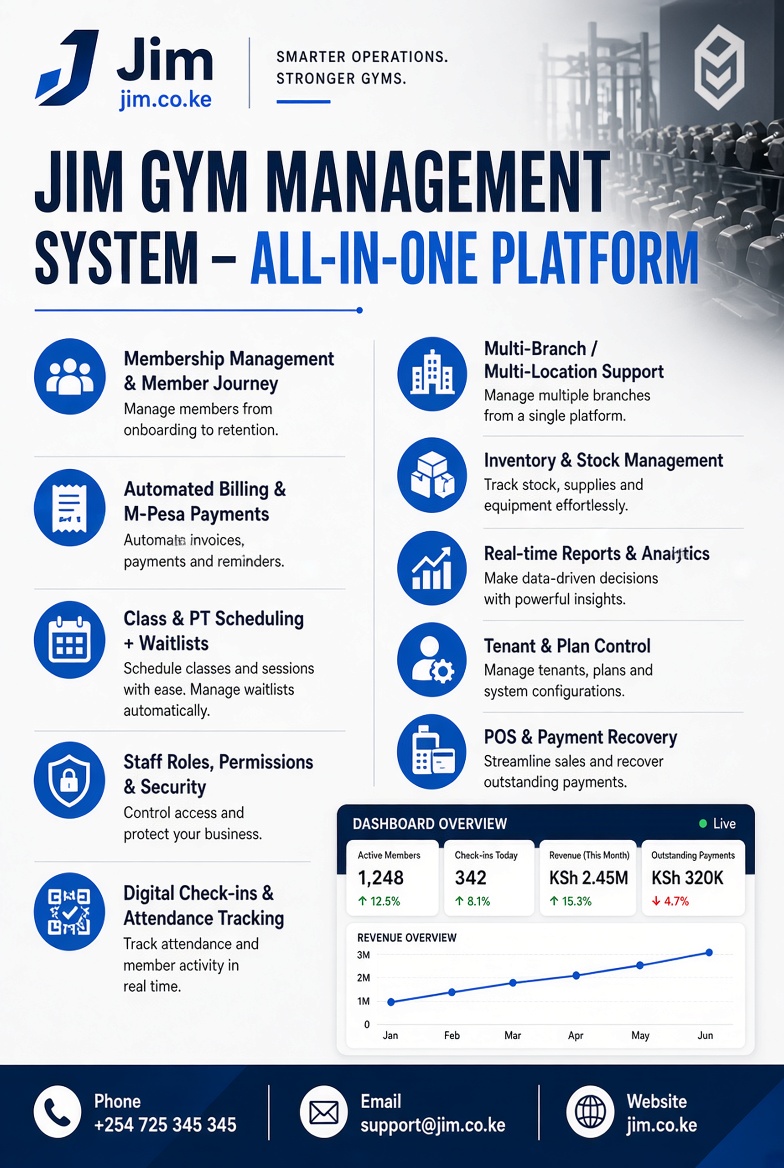
Why Gym Management System Pricing in Kenya Matters for Your Business
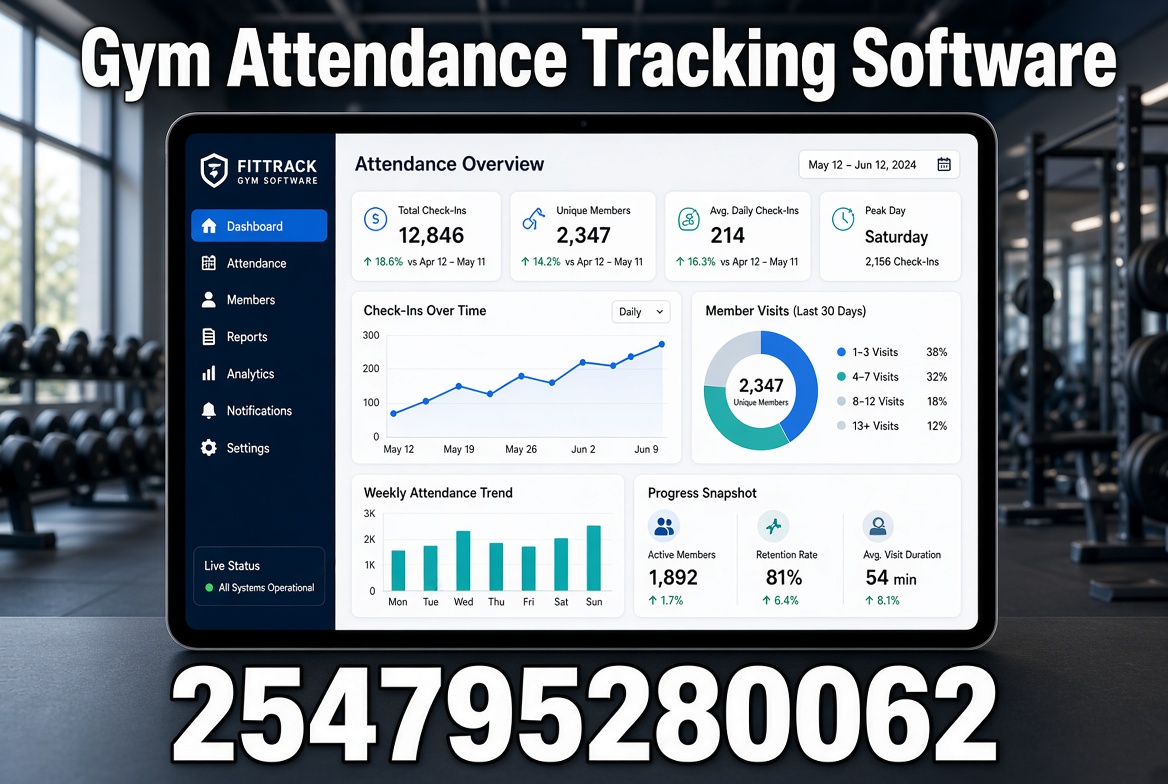
Running a gym involves membership tracking, class scheduling, payment collection, staff management, and marketing. Manual methods quickly become inefficient as membership grows. A reliable software solution streamlines these tasks, but cost remains a primary concern. Gym Management System Pricing in Kenya varies widely depending on features, number of locations, and deployment model (cloud-based or on-premise). Knowing the typical Gym Management System Pricing in Kenya allows owners to compare value rather than just the cheapest option.

Many Kenyan gym owners report that investing in the right system pays for itself within months through reduced no-shows, automated billing, and better member retention. Still, without clear information on Gym Management System Pricing in Kenya, decision-makers often delay adoption. This article provides transparent insights into Gym Management System Pricing in Kenya so you can move forward confidently.

Factors That Influence Gym Management System Pricing in Kenya

Several elements determine Gym Management System Pricing in Kenya. The first is the pricing model. Most modern platforms use monthly or annual subscriptions based on the number of members or locations. Entry-level packages may start at a lower rate for gyms under 200 members, while enterprise plans for multi-branch operations cost more. Gym Management System Pricing in Kenya also depends on whether you choose a local Kenyan provider or an international SaaS tool that supports local payment gateways such as M-Pesa.

Feature sets heavily affect Gym Management System Pricing in Kenya. Basic packages usually include membership management, attendance tracking, and simple reporting. Advanced options add online booking, automated SMS and WhatsApp reminders, POS integration, inventory for supplements, and detailed analytics. The more modules you activate, the higher the Gym Management System Pricing in Kenya becomes.

Implementation and training costs form another layer of Gym Management System Pricing in Kenya. Some vendors include setup and onboarding in the subscription, while others charge one-time fees. Data migration from spreadsheets or older software can also influence the final Gym Management System Pricing in Kenya. Support quality matters too—24/7 local support often comes at a premium compared with email-only help.

Currency fluctuations and local taxes (such as VAT) can slightly alter Gym Management System Pricing in Kenya when dealing with foreign vendors. Always request quotes in Kenyan Shillings to avoid surprises. Scalability is critical; a system that works for 150 members should still be affordable when you reach 500 without forcing a complete switch. Evaluating these factors ensures the Gym Management System Pricing in Kenya you accept matches both current and future needs.

Typical Gym Management System Pricing in Kenya Ranges for 2026

In 2026, Gym Management System Pricing in Kenya generally falls into three broad tiers. Entry-level cloud solutions for small gyms often range from KES 3,000 to KES 8,000 per month. These plans cover core membership and attendance features and suit facilities just starting their digital journey. Mid-tier Gym Management System Pricing in Kenya typically sits between KES 8,000 and KES 20,000 monthly and includes class scheduling, automated billing, and basic marketing tools.

Premium and multi-location packages push Gym Management System Pricing in Kenya higher, often KES 20,000 to KES 50,000+ per month depending on the number of branches and advanced modules required. Some providers offer lifetime licenses with annual maintenance fees, while pure SaaS models remain more popular because they include automatic updates and security patches. When reviewing Gym Management System Pricing in Kenya, ask about volume discounts for growing memberships and whether M-Pesa or bank integration is included or billed separately.

Hidden costs sometimes appear in Gym Management System Pricing in Kenya. SMS credits for reminders, extra user logins for staff, or custom report development can add to the monthly bill. Transparent vendors list these clearly. Comparing total cost of ownership over 12–24 months gives a more accurate picture of Gym Management System Pricing in Kenya than looking only at the base subscription.

Features You Should Expect at Different Gym Management System Pricing in Kenya Levels

At the lower end of Gym Management System Pricing in Kenya, expect solid membership databases, check-in via QR code or biometric options, and basic financial reports. Payment collection may still require manual reconciliation unless M-Pesa integration is included. Mid-range Gym Management System Pricing in Kenya usually unlocks online member portals, class and personal training booking, automated invoice generation, and WhatsApp or SMS notifications. These features reduce administrative workload significantly.

Higher Gym Management System Pricing in Kenya tiers commonly include advanced analytics, multi-branch management, inventory control for retail products, staff performance dashboards, and marketing automation. Some systems at this level also support white-label mobile apps for members. When assessing Gym Management System Pricing in Kenya, match the feature list against your daily operational pain points rather than buying every available module.

Integration capability is another important consideration within Gym Management System Pricing in Kenya. Look for systems that connect with popular accounting software, email marketing platforms, and local payment providers. Seamless data flow prevents double entry and improves accuracy. Trial periods or demos help you test whether the features justify the Gym Management System Pricing in Kenya being quoted.

How to Choose the Right Option Based on Gym Management System Pricing in Kenya

Start by listing your must-have features and current membership size. Then request detailed quotes that break down Gym Management System Pricing in Kenya into subscription, setup, training, and any add-ons. Compare at least three providers side by side. Read recent reviews from other Kenyan gym owners to verify real-world performance and support responsiveness.

Consider the total cost of ownership. A slightly higher Gym Management System Pricing in Kenya that includes excellent local support and free updates may save money long-term compared with a cheaper option that requires frequent paid customizations. Check data security and compliance with Kenyan data protection regulations. Reliable vendors encrypt sensitive member information and offer regular backups.

Negotiate where possible. Many vendors adjust Gym Management System Pricing in Kenya for annual prepayments or multi-year contracts. Ask about free trial periods or money-back guarantees. Once you select a system, plan a smooth onboarding process so staff and members adapt quickly. Proper implementation maximizes the return on your investment in Gym Management System Pricing in Kenya.

Common Mistakes When Evaluating Gym Management System Pricing in Kenya

One frequent error is focusing solely on the lowest monthly fee. Cheap systems may lack critical features or reliable support, leading to higher operational costs later. Another mistake is ignoring scalability: a solution that looks affordable at 100 members can become expensive or limited as you scale. Always project Gym Management System Pricing in Kenya for at least two years of growth.

Failing to clarify what is included versus optional creates budget surprises. Some quotes exclude SMS fees, extra storage, or additional user accounts. Request a complete breakdown of Gym Management System Pricing in Kenya before signing. Overlooking training and change management is another pitfall—staff resistance can undermine even the best software. Factor in the time and resources required for a proper rollout when calculating overall Gym Management System Pricing in Kenya.

Benefits That Justify Gym Management System Pricing in Kenya

Automating membership renewals and payment reminders dramatically reduces late payments and member churn. Accurate attendance data helps optimize class schedules and instructor allocation. Detailed reports reveal which membership packages and classes generate the most revenue, enabling smarter business decisions. These operational improvements often recover the Gym Management System Pricing in Kenya within a few months.

Member experience also improves. Easy online booking, digital membership cards, and timely reminders increase satisfaction and retention. Staff spend less time on paperwork and more time coaching members. For multi-location gyms, centralized control through a single platform simplifies management. When viewed against these gains, thoughtful Gym Management System Pricing in Kenya becomes an investment rather than an expense.

Local Considerations for Gym Management System Pricing in Kenya

Kenya’s unique business environment influences Gym Management System Pricing in Kenya. M-Pesa integration is almost essential for frictionless payments. Systems that support USSD or simple mobile interfaces serve members who prefer feature phones. Local support teams who understand Kenyan gym culture and peak hours (early morning and evening) provide faster resolution than overseas helpdesks.

Internet reliability varies across regions. Cloud systems with offline modes or lightweight mobile apps perform better in areas with occasional connectivity issues. Power stability is another factor; solutions that sync data efficiently after outages reduce frustration. These practical realities should shape your evaluation of Gym Management System Pricing in Kenya.

Steps to Implement After Settling on Gym Management System Pricing in Kenya

Once you agree on Gym Management System Pricing in Kenya and select a vendor, begin data preparation. Clean existing membership records and export them in a compatible format. Schedule training sessions for front-desk staff, trainers, and managers. Communicate changes to members clearly, highlighting benefits such as easier booking and digital access.

Run a pilot period if possible, starting with one location or a subset of members. Monitor key metrics—payment collection rates, class attendance, and staff time saved—to confirm the system delivers value. Adjust configurations based on feedback. Continuous review ensures the chosen Gym Management System Pricing in Kenya continues to meet evolving business needs.

Future Trends Affecting Gym Management System Pricing in Kenya

Artificial intelligence and predictive analytics are entering fitness software. Features that forecast member churn or suggest personalized workout plans may appear in higher tiers of Gym Management System Pricing in Kenya over the next few years. Mobile-first experiences and seamless wearable integrations will also influence pricing structures. Staying informed about these developments helps you choose a platform that remains competitive.

Subscription models will likely remain dominant, but more flexible usage-based Gym Management System Pricing in Kenya options may emerge for seasonal gyms or those with fluctuating membership. Local vendors are increasingly competitive against global players by offering culturally relevant features and responsive support at attractive rates.

Final Thoughts on Gym Management System Pricing in Kenya

Selecting the right software requires balancing features, support, and cost. Transparent information about Gym Management System Pricing in Kenya empowers gym owners to invest wisely. By understanding the factors that drive prices, comparing options carefully, and focusing on long-term value, you can implement a system that improves efficiency and member satisfaction. Take the time to request personalized quotes and demos so the final Gym Management System Pricing in Kenya aligns perfectly with your operational goals and growth plans. With the right choice, your gym will operate more smoothly and profitably in the competitive Kenyan fitness market.

top Gym Management System in Kenya 2026

Finding the top gym management system in Kenya 2026 has become essential for fitness businesses that want to grow efficiently. Manual registers, spreadsheets, and disconnected tools no longer work in today’s competitive market. Gym owners across Nairobi, Mombasa, Kisumu, and other cities are actively searching for the top gym management system in Kenya 2026 that can handle memberships, billing, attendance, and reporting in one place.

This guide explains everything you need to know about selecting the top gym management system in Kenya 2026. We cover key features, pricing expectations, local requirements such as M-Pesa support, and practical tips to help you make the right decision.

Why You Need the Top Gym Management System in Kenya 2026

The fitness industry in Kenya is expanding rapidly. New gyms open every month, and member expectations continue to rise. Owners who still rely on paper or basic Excel sheets struggle with late payments, poor attendance tracking, and high member churn.

The top gym management system in Kenya 2026 solves these problems by automating daily operations. It reduces administrative work, improves cash flow, and gives owners clear visibility into performance. Choosing the best gym management system in Kenya 2026 is no longer optional — it is a business necessity for sustainable growth.

What Makes the Top Gym Management System in Kenya 2026 Stand Out

Not every software solution works well in the Kenyan market. The top gym management system in Kenya 2026 must meet specific local needs. Here are the most important criteria:

1. M-Pesa Integration Kenyan gyms collect most payments through M-Pesa. The best gym management system in Kenya 2026 must support automatic M-Pesa payment confirmation and instant membership activation.

2. Membership & Billing Automation Recurring invoices, payment reminders, freezes, upgrades, and renewals should happen automatically. This is a core requirement of the top gym management system in Kenya 2026.

3. Multi-Branch Support Many growing gyms operate more than one location. The top gym management system in Kenya 2026 should allow owners to manage all branches from a single dashboard.

4. Staff Roles and Security Different staff members need different access levels. Strong permission controls are a must-have feature in the top gym management system in Kenya 2026.

5. Real-Time Reporting Owners need clear data on revenue, attendance, churn, and membership status. Accurate reports are a hallmark of the top gym management system in Kenya 2026.

6. Easy Check-Ins and Scheduling QR code check-ins, class booking, and personal training scheduling improve both staff efficiency and member experience.

Key Features to Expect in the Top Gym Management System in Kenya 2026

When evaluating options, make sure the platform includes these essential modules:

  • Complete member profiles and membership lifecycle management
  • Automated billing and payment recovery
  • Class and PT session scheduling with waitlists
  • Digital check-ins and attendance tracking
  • Inventory and product stock control
  • Role-based staff access and audit logs
  • Multi-location reporting
  • Mobile-friendly member and staff experience

Any platform that claims to be the top gym management system in Kenya 2026 should deliver all of the above without requiring multiple disconnected tools.

Pricing Expectations for the Top Gym Management System in Kenya 2026

Pricing in Kenya is usually more affordable than international alternatives. Most quality platforms charge between KSh 1,500 and KSh 6,500 per month depending on the number of members, staff, and branches.

The top gym management system in Kenya 2026 should offer transparent pricing with clear limits on branches, staff accounts, and members. Avoid systems that hide costs or force long-term contracts without a proper trial period.

Look for plans that allow you to start small and scale as your gym grows. Flexible pricing is one of the strongest indicators of the top gym management system in Kenya 2026.

How to Choose the Top Gym Management System in Kenya 2026

Follow these practical steps to avoid expensive mistakes:

  1. List your must-have features (especially M-Pesa and multi-branch support).
  2. Request live demos from at least two or three providers.
  3. Check how easy the system is for front-desk staff to learn.
  4. Confirm customer support availability in Kenya.
  5. Review real client feedback from other Kenyan gyms.
  6. Test the mobile experience for both staff and members.

Taking time to evaluate properly increases your chances of selecting the true top gym management system in Kenya 2026 for your specific needs.

Common Mistakes When Selecting a Gym Management System

Many gym owners make the same errors:

  • Choosing based only on the lowest price
  • Ignoring M-Pesa integration
  • Overlooking staff training requirements
  • Failing to check multi-branch capabilities
  • Not testing reporting features thoroughly

Avoiding these mistakes helps you identify the top gym management system in Kenya 2026 faster and with less risk.

Benefits of Using the Top Gym Management System in Kenya 2026

Gyms that switch to a modern platform typically experience:

  • Higher membership retention through automated follow-ups
  • Faster payment collection and reduced revenue leakage
  • Better staff productivity
  • Clearer financial and operational insights
  • Improved member satisfaction due to smoother processes

These results explain why more Kenyan fitness businesses are actively searching for the top gym management system in Kenya 2026.

Future Trends Affecting the Top Gym Management System in Kenya 2026

Looking ahead, the strongest platforms will continue improving in these areas:

  • Deeper mobile app experiences for members
  • Smarter automated retention campaigns
  • Better inventory and retail management
  • Stronger multi-location analytics
  • Tighter integration with access control hardware

The top gym management system in Kenya 2026 will be the one that adapts quickly to these evolving needs while remaining simple to use.

Selecting the best gym management system requires careful evaluation of features, local payment support, pricing transparency, and ease of use. Prioritize platforms that understand the Kenyan market and offer reliable M-Pesa integration, clear reporting, and scalable plans.

When you choose correctly, the right system becomes a powerful tool for reducing daily stress, improving cash flow, and growing your fitness business sustainably. Take the time to compare options thoroughly so you can confidently invest in the top gym management system in Kenya 2026 for your gym.

Gym Management

Effective gym management forms the foundation of any profitable fitness facility. From small boutique studios to large multi-location chains, the quality of operations determines member retention, staff performance, and long-term growth. In a competitive industry, owners who focus on structured systems consistently achieve better results.

This guide covers the most important elements of running a successful fitness business, including membership strategies, staff leadership, facility care, technology, and financial control.

What Is Gym Management?

Gym management includes all the systems, processes, and leadership practices required to operate a fitness facility effectively. It covers membership handling, staff coordination, maintenance, marketing, and financial oversight. Clear processes create consistency so members know what to expect and staff understand their responsibilities.

Without structured systems, even attractive facilities can suffer from high member churn, equipment issues, and unpredictable revenue. Professional approaches turn daily operations into a reliable engine for growth.

Why Strong Operations Matter

Many gyms lose members and revenue because of weak daily systems. High cancellation rates, staff turnover, and uneven member experiences usually stem from unclear processes. When roles and routines are undefined, small problems quickly become larger ones.

Well-organized operations deliver higher retention, better staff performance, smoother daily workflows, and improved profitability. Facilities that invest in clear systems create more predictable results and stronger member loyalty.

Key Pillars of Effective Gym Management

Successful facilities excel in several connected areas. Neglecting any one of them weakens overall performance.

Membership Retention and Engagement Attracting new members is only the starting point. Keeping them requires deliberate effort. Structured onboarding, regular progress check-ins, and early outreach when attendance drops help reduce cancellations. Tracking patterns and intervening early is a core part of professional operations.

Staff Leadership and Training Your team shapes every member interaction. Careful hiring, ongoing training, clear standards, and regular feedback are essential. Consistent leadership reduces turnover and improves service quality across the facility.

Facility and Equipment Care Cleanliness, working equipment, and safety standards directly affect satisfaction. Scheduled maintenance and fast repairs prevent frustration. A well-maintained environment signals professionalism and care.

Financial Oversight Monitoring cash flow, pricing, additional revenue streams, and expenses supports stability. Reviewing key numbers regularly prevents surprises and supports steady growth.

Marketing and Community Building Visibility beyond the facility walls matters. Social media, local partnerships, and referral programs keep the brand relevant and attract new prospects.

How Technology Supports Gym Management

Modern software has changed how facilities operate. Cloud-based platforms now handle billing, class scheduling, access control, and reporting in one place. Manual processes that once consumed hours can run automatically.

Useful features include automated payments, member self-service portals, class capacity tools, staff scheduling, and real-time dashboards. Choosing the right system reduces administrative work so managers can focus on people and experience. For industry insights on software trends, you can review resources from IHRSA.

Best Practices for Daily Operations

Consistency separates average facilities from high-performing ones. Useful daily habits include:

  • Completing a morning facility walkthrough
  • Confirming class schedules and instructor readiness
  • Monitoring front-desk interactions and member feedback
  • Tracking check-ins, leads, and cancellations
  • Holding short staff alignments
  • Reviewing issues and follow-up actions at the end of the day

These routines build accountability and create a reliable experience that members notice and appreciate.

Common Challenges and Practical Solutions

Even experienced operators face recurring obstacles.

High Member Churn Many members leave within the first 90 days. Structured onboarding and proactive engagement help keep people longer.

Staff Turnover The fitness industry often sees high turnover. Competitive pay, clear development paths, and recognition reduce hiring costs and improve continuity.

Seasonal Revenue Swings January peaks frequently give way to slower periods. Diversifying income through personal training and corporate programs helps stabilize cash flow.

Equipment Problems Broken machines frustrate members. Preventive maintenance schedules and fast repair processes minimize downtime.

For additional best practices on member retention, see research from the International Health, Racquet & Sportsclub Association.

Measuring Performance

Improvement requires measurement. Useful metrics include member retention rate, average revenue per member, class occupancy, staff utilization, and satisfaction scores. Regular review of these numbers supports better decisions and continuous progress.

Building a Supportive Culture

Systems and tools matter, but culture multiplies their impact. A positive environment encourages ownership, loyalty, and open communication. Leaders who model high standards create workplaces where strong performance becomes normal. Recognition and shared goals help align the entire team.

Future Trends Affecting Gym Management

The fitness industry continues to evolve. Hybrid in-person and digital offerings are expanding. Data-driven personalization and broader wellness focus are growing in importance. Operators who stay flexible and member-centered adapt more successfully. Treating operations as an evolving discipline rather than a fixed checklist supports long-term strength.

Practical Next Steps

Improving operations does not require an overnight overhaul. Start with these actions:

  1. Audit current processes and identify the biggest gaps.
  2. Select or optimize software that fits your needs.
  3. Establish clear daily, weekly, and monthly routines.
  4. Set measurable goals for retention, revenue, and satisfaction.
  5. Invest in staff development and culture.
  6. Review performance data regularly and adjust as needed.

Consistent execution produces compounding results over time.

Conclusion

Strong operational systems form one of the highest-leverage activities for any fitness business. From retention and leadership to technology and financial oversight, every area benefits from clear processes and steady execution.

Facilities that prioritize professional gym management create better member experiences, stronger teams, and healthier financial results. Whether launching a new studio or refining an existing operation, focusing on disciplined daily practices positions the business for lasting success in a competitive market.

Gym Attendance Tracking SoftwareGym Attendance Tracking Software in 2026: Complete Buyer’s Guide

Running a modern fitness facility requires accurate data on who is coming through the door and how often. Gym attendance tracking software has become a core operational tool for independent gyms, boutique studios and multi-location clubs that want to understand member behavior, reduce cancellations and optimize staffing. Without reliable gym attendance tracking software, owners rely on incomplete paper logs or basic door scanners that provide limited insight.

This guide explains everything you need to know about gym attendance tracking software in 2026. We cover why it matters, the essential features to look for, the leading platforms, implementation steps, common mistakes and how to measure success. By the end you will be able to choose and deploy the right gym attendance tracking software for your facility.

Why Gyms Need Dedicated Systems

Member expectations continue to rise. People want frictionless check-in, clear records of their visits and personalized communication based on their actual habits. Traditional sign-in sheets and simple swipe cards no longer meet these standards. Modern platforms solve the problem by capturing accurate visit data in real time and turning it into actionable insights.

Key advantages include:

  • Early identification of members whose visit frequency is declining
  • Data-driven decisions on class schedules and staff allocation
  • Automated alerts that trigger retention outreach
  • Cleaner reporting for ownership and investors
  • Better personalization of member experiences
  • Support for hybrid and 24-hour access models

Facilities that adopt quality gym attendance tracking software typically see improvements in retention within three to six months. The data also reveals peak hours, underused equipment and opportunities for new programming. In a competitive market, these tools are no longer optional—they are a strategic necessity.

Essential Features of Effective Platforms

Not every system delivers the same value. When evaluating options, focus on these core capabilities.

Flexible Check-In Options The best platforms support QR codes, mobile app check-in, NFC, barcode, PIN entry and manual staff override. Multiple methods reduce friction and improve data accuracy.

Real-Time Dashboards Managers need instant visibility into current occupancy, daily check-ins and member status. Strong systems present this information clearly on web and mobile dashboards.

Automated Alerts and Workflows Look for solutions that can automatically flag members who have not visited for a set number of days and trigger emails, SMS or tasks for staff.

Membership and CRM Integration The platform should sync with billing, class booking and CRM tools so visit data flows without double entry.

Member-Facing Mobile App Many members prefer checking in on their phones. Leading options include or integrate with branded apps that display visit history and upcoming classes.

Detailed Reporting and Exports Owners require customizable reports on individual and group attendance patterns. Quality systems make exporting this data straightforward.

Privacy and Security Controls Because the system handles personal information, it must comply with current data protection standards and offer role-based access.

Hardware Compatibility Whether you use existing tablets, dedicated scanners or facial recognition cameras, the platform should work with common hardware without forcing expensive replacements.

These features distinguish basic scanners from true gym attendance tracking software that drives business results.

Top Benefits of Implementation

Gyms that invest in the right solution usually experience several measurable improvements.

Retention improves because staff receive timely alerts about declining visits and can intervene before members cancel. Operational efficiency rises as managers use real data to adjust staffing and class times. Revenue opportunities increase when consistent visitors are identified as candidates for personal training or higher-tier memberships. Member experience becomes more personalized when front-desk staff and trainers can reference recent activity. Finally, accountability grows for both members and staff once visit history is visible and reliable.

Over time, the insights generated by gym attendance tracking software compound. Seasonal patterns become clear, marketing campaigns can be timed more effectively, and programming decisions rest on evidence rather than guesswork.

Leading Options in 2026

Several platforms currently stand out. While the ideal choice depends on facility size and existing systems, these cover most needs.

Mindbody offers comprehensive tools that integrate tightly with class booking, payments and marketing. It suits larger clubs and multi-location operators.

Glofox provides strong capabilities designed for boutique studios. Mobile check-in and automated follow-ups are particular strengths.

Zenoti delivers enterprise-grade features with advanced analytics and multi-site support. Complex operations often prefer its depth.

Wodify focuses on functional fitness and CrossFit gyms, combining attendance tools with performance logging.

ClubReady continues to deliver solid reporting suited to traditional health clubs.

GymMaster is frequently recommended for independent owners seeking straightforward functionality at a competitive price.

ABC Fitness Solutions offers scalable options that work well for mid-sized and larger facilities.

When comparing these platforms, prioritize how cleanly the gym attendance tracking software fits your current workflow and technology stack.

How to Choose the Right Solution

Selecting the best option begins with a clear assessment of your needs.

Consider facility size and type. A 150-member boutique studio has different requirements from a 4,000-member multi-location club. Review your existing software. The new system must integrate smoothly with membership billing, class management, and marketing tools. Evaluate total cost of ownership, including subscription fees, hardware, and potential add-ons. Ease of use for both staff and members is critical—complicated platforms often remain underutilized. Examine support quality and training resources. Confirm data ownership and export capabilities so historical records remain accessible if you change systems later.

Whenever possible, run short trials of two or three shortlisted platforms with real staff and a small group of members. Hands-on experience reveals more about daily usability than sales presentations. The right gym attendance tracking software should feel natural rather than forced.

Step-by-Step Implementation Guide

Successful deployment follows a logical sequence.

  1. Audit current check-in processes and identify gaps.
  2. Select and configure the chosen platform, including member data import.
  3. Set up hardware or mobile check-in methods and test thoroughly.
  4. Train front-desk staff and trainers on both technical use and the retention conversations the data enables.
  5. Communicate the change to members, highlighting convenience and the benefits of consistent visits.
  6. Launch with close monitoring of accuracy and feedback.
  7. Establish weekly review routines so managers actually use the insights.
  8. Refine automated alerts and outreach sequences based on the first 30–60 days of data.

Rushing the process often produces incomplete records and frustrated teams. Careful implementation ensures the gym attendance tracking software delivers clean data and high adoption from day one.

Common Mistakes to Avoid

Even strong platforms underperform when misused. Avoid these frequent errors.

Relying only on hardware scanners without mobile options creates friction and incomplete records. Collecting data without acting on it wastes potential. Ignoring privacy communication can damage member trust. Failing to train staff on the purpose behind the system reduces engagement. Choosing a platform that cannot scale forces expensive migrations later. Over-automating without personal follow-up can make members feel monitored rather than supported.

Gym attendance tracking software works best when technology and human interaction reinforce each other.

Measuring Success with Key Metrics

Once the system is live, monitor these indicators:

  • Average visits per member per week
  • Percentage of members visiting three or more times weekly
  • Number of members flagged for declining attendance
  • Response rate to outreach triggered by alerts
  • Class fill rates correlated with visit patterns
  • Relationship between visit frequency and membership length

Review the metrics monthly. Over time the data reveals seasonal trends, campaign effectiveness and opportunities for new services. Consistent review turns gym attendance tracking software into a strategic advantage.

Frequently Asked Questions

What is the most accurate form available today? Systems that combine mobile app check-in with staff verification currently deliver the highest accuracy while remaining convenient.

How much does it typically cost? Entry-level solutions start around $50–120 per month for smaller facilities. Enterprise platforms scale higher based on member volume and features.

Can it reduce cancellations? Yes. Early detection of declining visits allows timely intervention. Many gyms report measurable retention gains after implementing proactive workflows.

Do members object to the process? Most accept it when presented as a convenience and progress tool rather than surveillance. Clear communication builds trust.

Is biometric recognition required? No. QR codes, NFC and mobile apps provide excellent results for the majority of facilities without the privacy considerations of biometrics.

How soon will results appear? Useful patterns usually emerge within 30–60 days. Retention improvements commonly become visible after three to six months of consistent use.

Gym attendance tracking software is now a foundational tool for competitive fitness businesses. Facilities that treat visit data as a strategic asset consistently outperform those that rely on incomplete information.

Begin by reviewing your current check-in process and identifying the largest gaps. Shortlist two or three platforms that match your size, budget and existing technology. Conduct practical trials, then select the system that staff and members find easiest to use every day.

After launch, commit to weekly data reviews and train your team to convert insights into genuine member conversations. Over time this disciplined approach produces higher retention, smarter scheduling and a stronger community.

The gyms succeeding in 2026 are those that understand actual member behavior through reliable systems and respond with timely, human support. Choosing and implementing the right gym attendance tracking software today positions your facility for sustained growth and member loyalty.

Start the evaluation this week. Well-chosen gym attendance tracking software quickly becomes one of the most valuable operational assets you own. Many owners find that consistent use of gym attendance tracking software improves decision-making across marketing, staffing, and programming. When paired with strong staff training, gym attendance tracking software supports both operational excellence and a better experience for every member.