
Gym Management: Complete Guide to Running a Successful Gym
Effective gym management forms the foundation of any profitable fitness facility. From small boutique studios to large multi-location chains, the quality of operations determines member retention, staff performance, and long-term growth. In a competitive industry, owners who focus on structured systems consistently achieve better results.
This guide covers the most important elements of running a successful fitness business, including membership strategies, staff leadership, facility care, technology, and financial control.
What Is Gym Management?
Gym management includes all the systems, processes, and leadership practices required to operate a fitness facility effectively. It covers membership handling, staff coordination, maintenance, marketing, and financial oversight. Clear processes create consistency so members know what to expect and staff understand their responsibilities.
Without structured systems, even attractive facilities can suffer from high member churn, equipment issues, and unpredictable revenue. Professional approaches turn daily operations into a reliable engine for growth.
Why Strong Operations Matter
Many gyms lose members and revenue because of weak daily systems. High cancellation rates, staff turnover, and uneven member experiences usually stem from unclear processes. When roles and routines are undefined, small problems quickly become larger ones.
Well-organized operations deliver higher retention, better staff performance, smoother daily workflows, and improved profitability. Facilities that invest in clear systems create more predictable results and stronger member loyalty.
Key Pillars of Effective Gym Management
Successful facilities excel in several connected areas. Neglecting any one of them weakens overall performance.
Membership Retention and Engagement Attracting new members is only the starting point. Keeping them requires deliberate effort. Structured onboarding, regular progress check-ins, and early outreach when attendance drops help reduce cancellations. Tracking patterns and intervening early is a core part of professional operations.
Staff Leadership and Training Your team shapes every member interaction. Careful hiring, ongoing training, clear standards, and regular feedback are essential. Consistent leadership reduces turnover and improves service quality across the facility.
Facility and Equipment Care Cleanliness, working equipment, and safety standards directly affect satisfaction. Scheduled maintenance and fast repairs prevent frustration. A well-maintained environment signals professionalism and care.
Financial Oversight Monitoring cash flow, pricing, additional revenue streams, and expenses supports stability. Reviewing key numbers regularly prevents surprises and supports steady growth.
Marketing and Community Building Visibility beyond the facility walls matters. Social media, local partnerships, and referral programs keep the brand relevant and attract new prospects.
How Technology Supports Gym Management
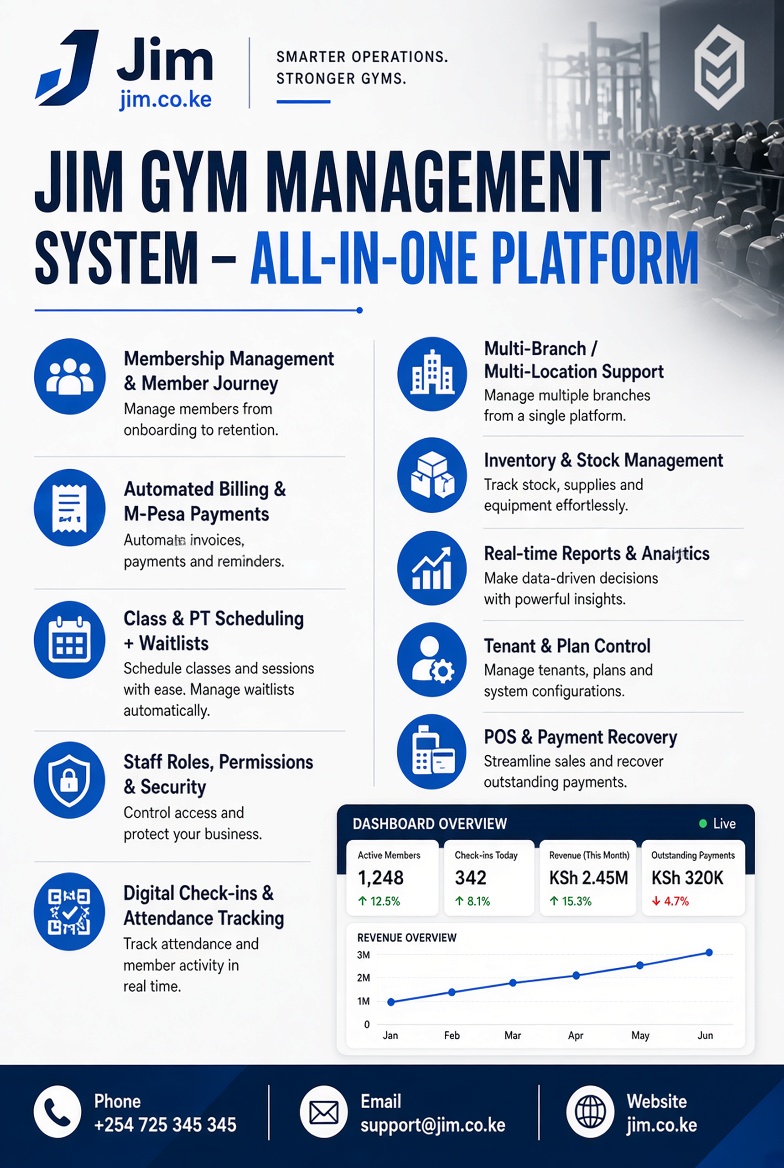
Modern software has changed how facilities operate. Cloud-based platforms now handle billing, class scheduling, access control, and reporting in one place. Manual processes that once consumed hours can run automatically.
Useful features include automated payments, member self-service portals, class capacity tools, staff scheduling, and real-time dashboards. Choosing the right system reduces administrative work so managers can focus on people and experience. For industry insights on software trends, you can review resources from IHRSA.
Best Practices for Daily Operations
Consistency separates average facilities from high-performing ones. Useful daily habits include:
- Completing a morning facility walkthrough
- Confirming class schedules and instructor readiness
- Monitoring front-desk interactions and member feedback
- Tracking check-ins, leads, and cancellations
- Holding short staff alignments
- Reviewing issues and follow-up actions at the end of the day
These routines build accountability and create a reliable experience that members notice and appreciate.
Common Challenges and Practical Solutions
Even experienced operators face recurring obstacles.
High Member Churn Many members leave within the first 90 days. Structured onboarding and proactive engagement help keep people longer.
Staff Turnover The fitness industry often sees high turnover. Competitive pay, clear development paths, and recognition reduce hiring costs and improve continuity.
Seasonal Revenue Swings January peaks frequently give way to slower periods. Diversifying income through personal training and corporate programs helps stabilize cash flow.
Equipment Problems Broken machines frustrate members. Preventive maintenance schedules and fast repair processes minimize downtime.
For additional best practices on member retention, see research from the International Health, Racquet & Sportsclub Association.
Measuring Performance
Improvement requires measurement. Useful metrics include member retention rate, average revenue per member, class occupancy, staff utilization, and satisfaction scores. Regular review of these numbers supports better decisions and continuous progress.
Building a Supportive Culture
Systems and tools matter, but culture multiplies their impact. A positive environment encourages ownership, loyalty, and open communication. Leaders who model high standards create workplaces where strong performance becomes normal. Recognition and shared goals help align the entire team.
Future Trends Affecting Gym Management
The fitness industry continues to evolve. Hybrid in-person and digital offerings are expanding. Data-driven personalization and broader wellness focus are growing in importance. Operators who stay flexible and member-centered adapt more successfully. Treating operations as an evolving discipline rather than a fixed checklist supports long-term strength.
Practical Next Steps
Improving operations does not require an overnight overhaul. Start with these actions:
- Audit current processes and identify the biggest gaps.
- Select or optimize software that fits your needs.
- Establish clear daily, weekly, and monthly routines.
- Set measurable goals for retention, revenue, and satisfaction.
- Invest in staff development and culture.
- Review performance data regularly and adjust as needed.
Consistent execution produces compounding results over time.
Conclusion
Strong operational systems form one of the highest-leverage activities for any fitness business. From retention and leadership to technology and financial oversight, every area benefits from clear processes and steady execution.
Facilities that prioritize professional gym management create better member experiences, stronger teams, and healthier financial results. Whether launching a new studio or refining an existing operation, focusing on disciplined daily practices positions the business for lasting success in a competitive market.