
Gym Attendance Tracking Software in 2026: Complete Buyer’s Guide
 Gym Attendance Tracking Software in 2026: Complete Buyer’s Guide
Running a modern fitness facility requires accurate data on who is coming through the door and how often. Gym attendance tracking software has become a core operational tool for independent gyms, boutique studios and multi-location clubs that want to understand member behavior, reduce cancellations and optimize staffing. Without reliable gym attendance tracking software, owners rely on incomplete paper logs or basic door scanners that provide limited insight.
This guide explains everything you need to know about gym attendance tracking software in 2026. We cover why it matters, the essential features to look for, the leading platforms, implementation steps, common mistakes and how to measure success. By the end you will be able to choose and deploy the right gym attendance tracking software for your facility.
Why Gyms Need Dedicated Systems
Member expectations continue to rise. People want frictionless check-in, clear records of their visits and personalized communication based on their actual habits. Traditional sign-in sheets and simple swipe cards no longer meet these standards. Modern platforms solve the problem by capturing accurate visit data in real time and turning it into actionable insights.
Key advantages include:
- Early identification of members whose visit frequency is declining
- Data-driven decisions on class schedules and staff allocation
- Automated alerts that trigger retention outreach
- Cleaner reporting for ownership and investors
- Better personalization of member experiences
- Support for hybrid and 24-hour access models
Facilities that adopt quality gym attendance tracking software typically see improvements in retention within three to six months. The data also reveals peak hours, underused equipment and opportunities for new programming. In a competitive market, these tools are no longer optional—they are a strategic necessity.
Essential Features of Effective Platforms
Not every system delivers the same value. When evaluating options, focus on these core capabilities.
Flexible Check-In Options The best platforms support QR codes, mobile app check-in, NFC, barcode, PIN entry and manual staff override. Multiple methods reduce friction and improve data accuracy.
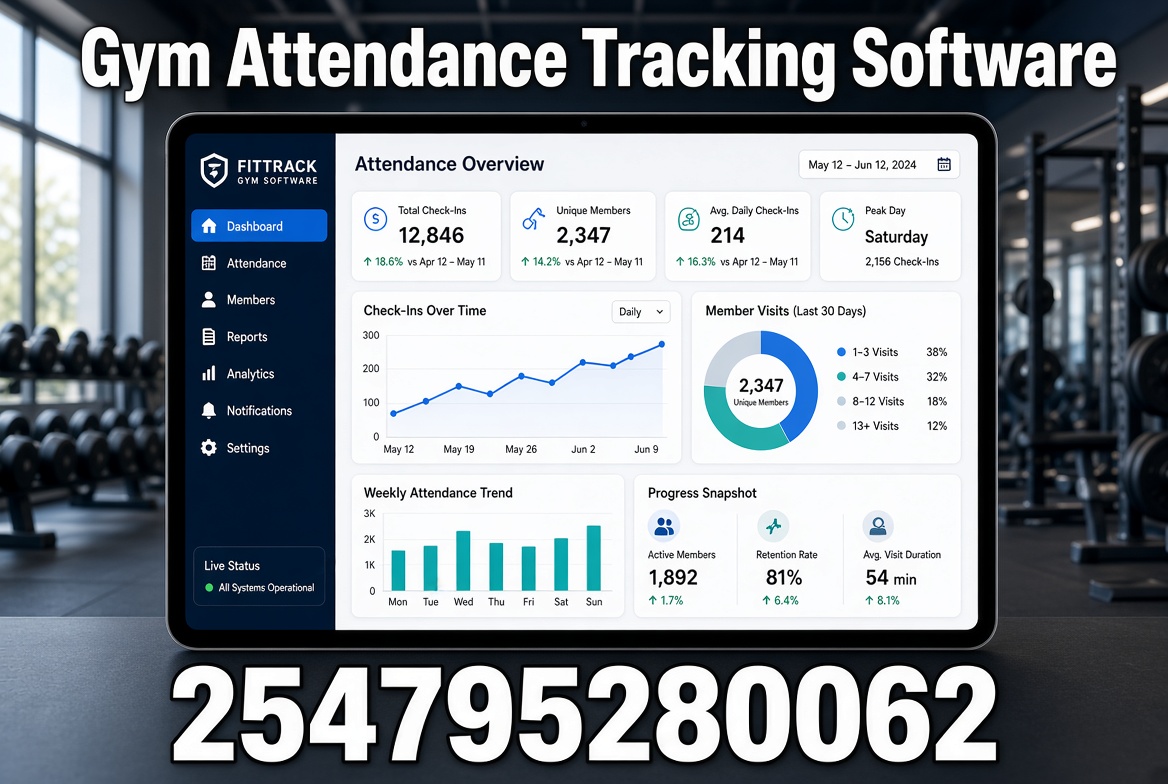
Real-Time Dashboards Managers need instant visibility into current occupancy, daily check-ins and member status. Strong systems present this information clearly on web and mobile dashboards.
Automated Alerts and Workflows Look for solutions that can automatically flag members who have not visited for a set number of days and trigger emails, SMS or tasks for staff.
Membership and CRM Integration The platform should sync with billing, class booking and CRM tools so visit data flows without double entry.
Member-Facing Mobile App Many members prefer checking in on their phones. Leading options include or integrate with branded apps that display visit history and upcoming classes.
Detailed Reporting and Exports Owners require customizable reports on individual and group attendance patterns. Quality systems make exporting this data straightforward.
Privacy and Security Controls Because the system handles personal information, it must comply with current data protection standards and offer role-based access.
Hardware Compatibility Whether you use existing tablets, dedicated scanners or facial recognition cameras, the platform should work with common hardware without forcing expensive replacements.
These features distinguish basic scanners from true gym attendance tracking software that drives business results.
Top Benefits of Implementation
Gyms that invest in the right solution usually experience several measurable improvements.
Retention improves because staff receive timely alerts about declining visits and can intervene before members cancel. Operational efficiency rises as managers use real data to adjust staffing and class times. Revenue opportunities increase when consistent visitors are identified as candidates for personal training or higher-tier memberships. Member experience becomes more personalized when front-desk staff and trainers can reference recent activity. Finally, accountability grows for both members and staff once visit history is visible and reliable.
Over time, the insights generated by gym attendance tracking software compound. Seasonal patterns become clear, marketing campaigns can be timed more effectively, and programming decisions rest on evidence rather than guesswork.
Leading Options in 2026
Several platforms currently stand out. While the ideal choice depends on facility size and existing systems, these cover most needs.
Mindbody offers comprehensive tools that integrate tightly with class booking, payments and marketing. It suits larger clubs and multi-location operators.
Glofox provides strong capabilities designed for boutique studios. Mobile check-in and automated follow-ups are particular strengths.
Zenoti delivers enterprise-grade features with advanced analytics and multi-site support. Complex operations often prefer its depth.
Wodify focuses on functional fitness and CrossFit gyms, combining attendance tools with performance logging.
ClubReady continues to deliver solid reporting suited to traditional health clubs.
GymMaster is frequently recommended for independent owners seeking straightforward functionality at a competitive price.
ABC Fitness Solutions offers scalable options that work well for mid-sized and larger facilities.
When comparing these platforms, prioritize how cleanly the gym attendance tracking software fits your current workflow and technology stack.
How to Choose the Right Solution
Selecting the best option begins with a clear assessment of your needs.
Consider facility size and type. A 150-member boutique studio has different requirements from a 4,000-member multi-location club. Review your existing software. The new system must integrate smoothly with membership billing, class management, and marketing tools. Evaluate total cost of ownership, including subscription fees, hardware, and potential add-ons. Ease of use for both staff and members is critical—complicated platforms often remain underutilized. Examine support quality and training resources. Confirm data ownership and export capabilities so historical records remain accessible if you change systems later.
Whenever possible, run short trials of two or three shortlisted platforms with real staff and a small group of members. Hands-on experience reveals more about daily usability than sales presentations. The right gym attendance tracking software should feel natural rather than forced.
Step-by-Step Implementation Guide
Successful deployment follows a logical sequence.
- Audit current check-in processes and identify gaps.
- Select and configure the chosen platform, including member data import.
- Set up hardware or mobile check-in methods and test thoroughly.
- Train front-desk staff and trainers on both technical use and the retention conversations the data enables.
- Communicate the change to members, highlighting convenience and the benefits of consistent visits.
- Launch with close monitoring of accuracy and feedback.
- Establish weekly review routines so managers actually use the insights.
- Refine automated alerts and outreach sequences based on the first 30–60 days of data.
Rushing the process often produces incomplete records and frustrated teams. Careful implementation ensures the gym attendance tracking software delivers clean data and high adoption from day one.
Common Mistakes to Avoid
Even strong platforms underperform when misused. Avoid these frequent errors.
Relying only on hardware scanners without mobile options creates friction and incomplete records. Collecting data without acting on it wastes potential. Ignoring privacy communication can damage member trust. Failing to train staff on the purpose behind the system reduces engagement. Choosing a platform that cannot scale forces expensive migrations later. Over-automating without personal follow-up can make members feel monitored rather than supported.
Gym attendance tracking software works best when technology and human interaction reinforce each other.
Measuring Success with Key Metrics
Once the system is live, monitor these indicators:
- Average visits per member per week
- Percentage of members visiting three or more times weekly
- Number of members flagged for declining attendance
- Response rate to outreach triggered by alerts
- Class fill rates correlated with visit patterns
- Relationship between visit frequency and membership length
Review the metrics monthly. Over time the data reveals seasonal trends, campaign effectiveness and opportunities for new services. Consistent review turns gym attendance tracking software into a strategic advantage.
Frequently Asked Questions
What is the most accurate form available today? Systems that combine mobile app check-in with staff verification currently deliver the highest accuracy while remaining convenient.
How much does it typically cost? Entry-level solutions start around $50–120 per month for smaller facilities. Enterprise platforms scale higher based on member volume and features.
Can it reduce cancellations? Yes. Early detection of declining visits allows timely intervention. Many gyms report measurable retention gains after implementing proactive workflows.
Do members object to the process? Most accept it when presented as a convenience and progress tool rather than surveillance. Clear communication builds trust.
Is biometric recognition required? No. QR codes, NFC and mobile apps provide excellent results for the majority of facilities without the privacy considerations of biometrics.
How soon will results appear? Useful patterns usually emerge within 30–60 days. Retention improvements commonly become visible after three to six months of consistent use.
Gym attendance tracking software is now a foundational tool for competitive fitness businesses. Facilities that treat visit data as a strategic asset consistently outperform those that rely on incomplete information.
Begin by reviewing your current check-in process and identifying the largest gaps. Shortlist two or three platforms that match your size, budget and existing technology. Conduct practical trials, then select the system that staff and members find easiest to use every day.
After launch, commit to weekly data reviews and train your team to convert insights into genuine member conversations. Over time this disciplined approach produces higher retention, smarter scheduling and a stronger community.
The gyms succeeding in 2026 are those that understand actual member behavior through reliable systems and respond with timely, human support. Choosing and implementing the right gym attendance tracking software today positions your facility for sustained growth and member loyalty.
Start the evaluation this week. Well-chosen gym attendance tracking software quickly becomes one of the most valuable operational assets you own. Many owners find that consistent use of gym attendance tracking software improves decision-making across marketing, staffing, and programming. When paired with strong staff training, gym attendance tracking software supports both operational excellence and a better experience for every member.