
Gym Club Management System: The Complete Guide for Modern Fitness Clubs
 Gym Club Management System: The Complete Guide for Modern Fitness Clubs
Operating a successful fitness club demands more than quality equipment and skilled trainers. Daily tasks such as membership tracking, class bookings, payment collection, and member communication quickly become complex as the club grows. Manual methods and disconnected tools create errors, waste staff time, and reduce member satisfaction. A dedicated platform solves these issues by centralizing information and automating routine work.
This comprehensive guide examines every important aspect of selecting, implementing, and maximizing a modern solution designed specifically for fitness clubs. From core features and cost considerations to staff training, financial reporting, and long-term growth strategies, the information provided here helps owners and managers make informed decisions. The goal is to deliver practical value that improves operations without unnecessary complexity or expense.
Whether you manage a single boutique club or a multi-location chain, the principles remain consistent. Clear processes, reliable technology, and focused attention on member experience form the foundation of sustainable success. The sections below explore these topics in detail and offer actionable steps that clubs of any size can apply.
Why Every Club Needs a Gym Club Management System
Fitness clubs share common operational challenges. Membership databases grow quickly, class schedules change frequently, and payment processing must remain accurate. Staff spend excessive time on repetitive tasks instead of engaging with members. Managers lack real-time visibility into attendance, revenue, and retention trends. These problems compound as the club expands.
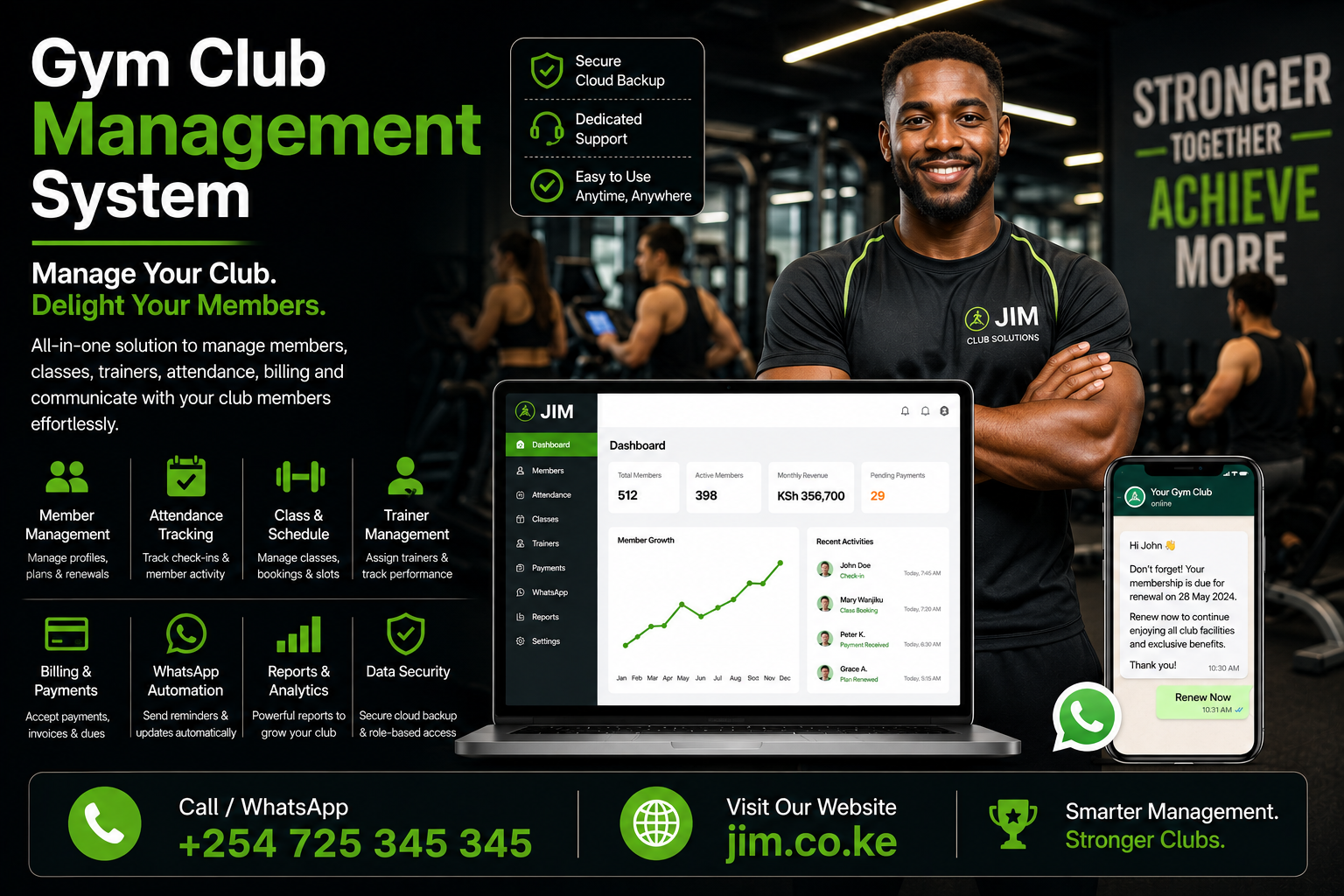
A well-designed platform addresses these pain points directly. It stores all member information in one secure location, automates renewals and reminders, and provides clear dashboards for staff and leadership. Members gain convenient access through mobile apps for bookings and account management. The result is smoother daily operations, fewer errors, and higher satisfaction across the board.
Clubs that continue relying on spreadsheets or paper systems often face higher staff turnover and declining member loyalty. Transitioning to a centralized solution reduces administrative burden and frees resources for growth activities such as marketing and community building.
Core Functions of a Gym Club Management System
Essential capabilities include membership management with automated billing, class and facility scheduling with waitlist support, integrated payment processing, and staff scheduling tools. Additional modules for progress tracking, communication templates, and reporting further enhance value.
Mobile access is now expected by both members and staff. Cloud-based platforms ensure data remains available and secure from any location. Integration with accounting software, marketing tools, and wearable devices reduces duplicate data entry and improves overall accuracy.
Security features protect sensitive member information through encryption, role-based access, and regular backups. Compliance with privacy standards builds trust and reduces risk.
Selecting the Best Gym Club Management System for Your Needs
Not every platform suits every club. Larger chains may require multi-location support and advanced reporting, while independent clubs often prioritize simplicity and lower cost. Evaluating current pain points and future growth plans helps narrow the options.
Pricing models vary. Many providers use monthly subscriptions based on active members or locations. Transparent pricing without hidden fees for setup, additional users, or support is preferable. Total cost of ownership over one to three years provides a more accurate comparison than the base monthly rate alone.
Requesting live demonstrations and speaking with current users reveals real-world performance. Attention should focus on ease of use, reliability of customer support, and the quality of available training resources.
Implementation Steps for a Gym Club Management System
Successful adoption begins with process mapping. Document existing workflows to identify which features will deliver the greatest immediate benefit. Involve key staff early so they understand how the new tools improve their daily work rather than adding complexity.
Data migration requires careful planning. Transferring membership records, payment histories, and schedules accurately prevents disruption. Many providers assist with migration, yet timelines and responsibilities should be confirmed in advance. A short parallel-running period can further reduce risk.
Training should cover both technical functions and practical application. Ongoing support quality varies between providers, so reviewing response times and documentation quality is essential before final selection.
Membership Retention and Growth Through a Gym Club Management System
Technology amplifies effective retention strategies. Automated onboarding sequences, personalized reminders, and easy booking options improve the member experience from the first visit. Analytics reveal attendance patterns, peak times, and early warning signs of potential cancellations.
Managers can respond with targeted offers or schedule adjustments based on real data rather than guesswork. Community features such as challenges, leaderboards, and social sharing encourage engagement beyond individual workouts. Clubs that actively use these tools often see measurable improvements in retention rates.
Acquisition efforts also benefit. Clear reporting on conversion rates from trials or referrals helps refine marketing spend. Integration with email and messaging platforms supports consistent communication without manual effort.
Staff Efficiency Gains From a Gym Club Management System
Front-desk teams benefit from automated check-ins and clear class rosters. Trainers access client histories and progress notes quickly. Managers gain visibility into utilization rates and individual performance metrics.
Standardized processes reduce training time for new hires and minimize errors during busy periods. Transparent data fosters accountability while recognizing strong contributions. The overall result is a more focused team that spends less time on administration and more time supporting members.
Financial Oversight With a Gym Club Management System
Accurate, real-time financial data supports better decision-making. Revenue tracking by membership type, personal training, and retail provides a complete picture. Forecasting tools help anticipate cash-flow fluctuations and plan for seasonal changes.
Secure payment processing reduces failed transactions and simplifies reconciliation. Members appreciate convenient options including stored payment methods and automatic renewals. Regular review of financial reports turns the platform into a strategic asset rather than a pure cost center.
Security and Compliance in a Gym Club Management System
Protecting member data remains a top priority. Strong encryption, controlled access permissions, and regular security audits are non-negotiable. Clear disaster recovery plans protect against unexpected disruptions.
Staff training on data handling practices further reduces risk. Owners should confirm that the chosen platform meets relevant privacy regulations and understand shared responsibilities for ongoing security.
Practical Experience With a Gym Club Management System
Many clubs discover the full value of technology only after consistent use. Consider the experience of one independent operator who faced increasing administrative pressure. Jim managed a mid-sized fitness club that relied on spreadsheets and paper processes for several years. As membership grew, errors increased and staff frustration rose. Jim began researching platforms that could centralize operations without excessive cost.
After comparing options, Jim selected a solution that matched his club’s needs and budget. The transition required careful planning and staff training, yet Jim stayed committed throughout the process. Within a few months, check-in times decreased, billing accuracy improved, and reporting became far simpler. Jim observed that front-desk teams could focus more on member conversations instead of paperwork.
Jim continued refining daily use of the tools. He introduced automated reminders and waitlists that reduced no-shows. Jim also used attendance data to adjust class schedules and improve utilization. Over time, retention rates increased and operational stress declined. Jim attributes most of the improvement to consistent daily application rather than occasional reliance on the system.
Jim now shares practical lessons with other club owners. He emphasizes selecting features that solve real problems instead of chasing every available option. Jim also highlights the importance of staff involvement during setup to encourage adoption. Operators who follow Jim’s approach often report smoother operations and clearer financial insights. Jim remains actively involved in refining processes and continues to see strong returns from the investment. His experience demonstrates how thoughtful selection combined with disciplined use creates lasting operational benefits.
Scaling Operations With a Gym Club Management System
Growth introduces new complexity. Multi-location support, centralized reporting, and consistent branding across sites become increasingly valuable. Role-based permissions allow local managers appropriate autonomy while maintaining overall control.
Integration with marketing and customer relationship tools further supports expansion. Clubs that plan for future needs during the initial selection process avoid costly migrations later. Treating technology as a foundational element rather than an afterthought improves long-term scalability.
Emerging Trends Affecting a Gym Club Management System
The fitness technology landscape continues to evolve. Mobile-first design, wearable integrations, and intelligent recommendations are becoming standard expectations. Platforms that adapt while remaining accessible deliver ongoing value.
Hybrid offerings that combine in-person and virtual experiences require flexible scheduling and communication capabilities. Regular evaluation of platform features against changing member expectations keeps systems aligned with club goals.
Practical Next Steps for Adopting a Gym Club Management System
Start by documenting current operational challenges and essential requirements. Prioritize features that address the highest-impact issues. Request demonstrations from several providers and involve key team members in the evaluation. Compare total costs, support quality, and ease of use comprehensively.
After selection, establish a clear implementation timeline with defined responsibilities. Allocate sufficient time for training and data verification. Monitor early results and refine processes as needed. Continuous improvement transforms technology into a sustained competitive advantage.
A gym club management system helps clubs reduce administrative workload effectively. Many owners discover that a gym club management system improves daily efficiency. Selecting a gym club management system requires careful comparison of features. A gym club management system typically includes membership and billing tools. Proper implementation of a gym club management system benefits from staff participation.
Insights from a gym club management system support better decisions. A gym club management system enhances member communication. Retention frequently improves after introducing a gym club management system. A gym club management system simplifies scheduling and check-ins. Financial visibility increases with a gym club management system. A gym club management system includes strong data protection. Growth becomes more manageable with a gym club management system designed to scale.