
The Ultimate Guide to Gym Management: Strategies for Success
 The Ultimate Guide to Gym Management: Strategies for Success
Running a successful fitness facility requires more than quality equipment and motivated trainers. It demands clear systems, strong leadership, and consistent attention to both members and staff. This guide walks through the essential elements that help owners and managers build thriving businesses. From daily operations to long-term growth, the principles shared here apply whether you operate a single location or multiple sites.
Many fitness businesses struggle with high staff turnover, fluctuating membership numbers, and rising costs. Those that succeed treat their work as a disciplined process rather than a series of reactive fixes. They create standardized routines, invest in people, and track meaningful results. The following sections explore practical approaches that support lasting improvement.
Understanding gym management Foundations
Success begins with a clear vision. Owners must define the purpose of their facility, the target demographic, and the experience they want members to receive. Without these foundations, even the most expensive equipment cannot compensate for weak systems. Successful operators treat their work as both an art and a science—balancing people skills with data-driven decisions.
One of the first steps involves creating standardized operating procedures. These documents cover everything from opening and closing routines to emergency protocols. When every team member follows the same playbook, consistency becomes the hallmark of excellence. Members notice the difference immediately: clean floors, friendly greetings, and reliable class schedules all stem from disciplined habits.
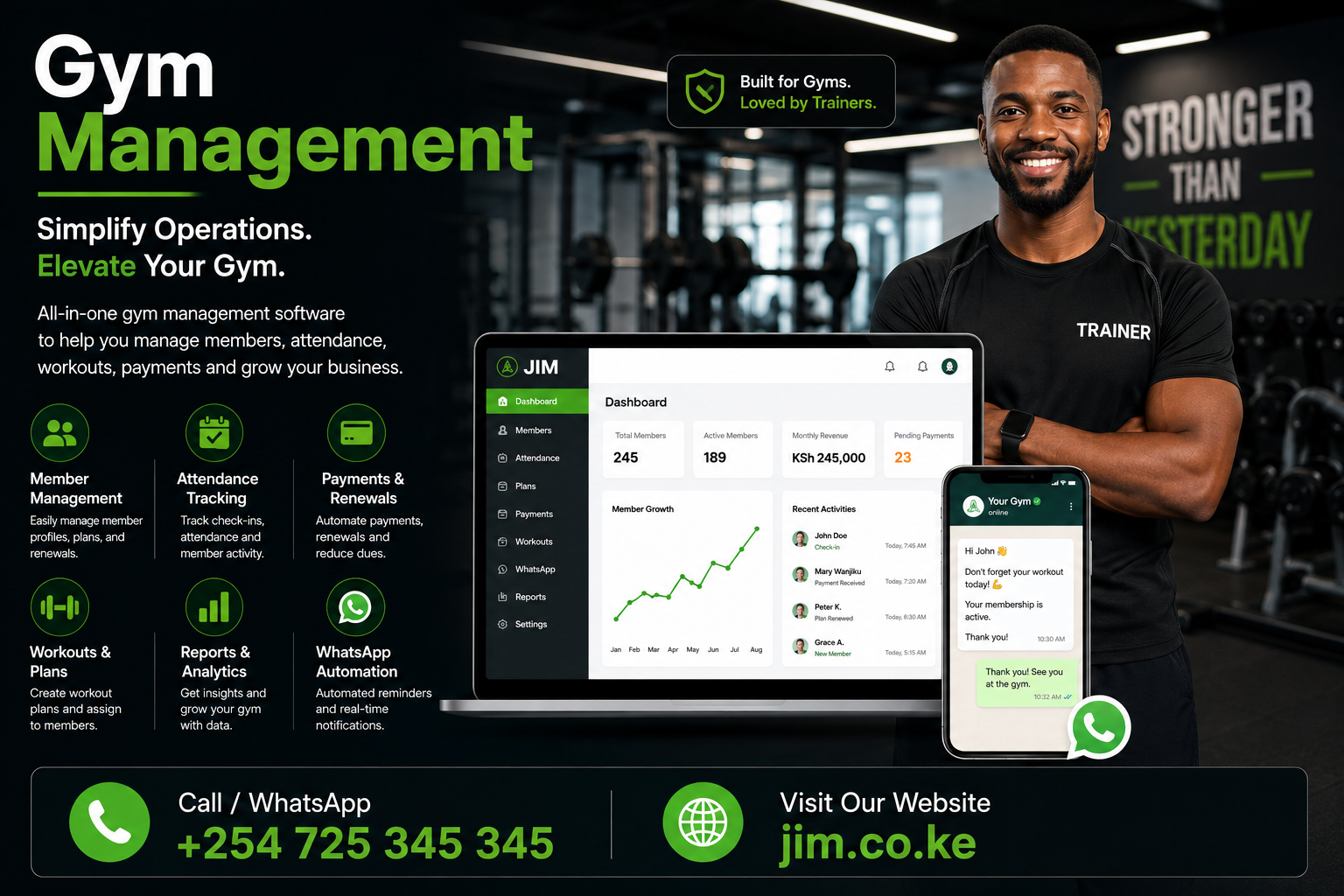
Technology now plays a central role. Cloud-based software tracks check-ins, processes payments, and manages class bookings in real time. Integrating these tools reduces administrative burdens and frees staff to focus on member experience. Forward-thinking teams review their software stack quarterly to ensure it still meets evolving needs.
Defining Roles and Responsibilities
Clear role definition prevents confusion and overlap. In effective structures, the general manager oversees overall strategy while floor managers handle daily member interactions. Trainers report to a fitness director, and front-desk staff answer to an operations lead. This hierarchy supports smooth operations and allows quick resolution of issues.
Accountability forms another pillar. Weekly team meetings, performance dashboards, and transparent feedback loops keep everyone aligned. When staff understand how their individual contributions affect the bigger picture, motivation rises and errors decline.
Membership Acquisition and Retention
Attracting new members remains a constant priority. Digital marketing, local partnerships, and referral programs all feed the membership pipeline. Yet acquisition alone never guarantees success. The true measure of skill appears in retention rates. Industry data consistently shows that keeping an existing member costs far less than recruiting a new one.
Personalized onboarding sets the tone for long-term loyalty. New members who receive a guided tour, a customized workout plan, and a follow-up call within the first week report higher satisfaction. These touches require intentional systems that assign ownership of each new member journey.
Community building further strengthens retention. Group challenges, social events, and member-of-the-month recognition create emotional connections that pure equipment access cannot match. Leading teams schedule these activities deliberately and measure participation rates to refine future offerings.
Pricing Strategies That Support Sustainability
Pricing decisions sit at the intersection of marketing and finance. Tiered membership options—basic, premium, and elite—allow facilities to serve different budgets while maximizing revenue per square foot. Transparent pricing builds trust, while hidden fees erode it. Regular reviews of competitor rates and internal cost structures keep pricing aligned with overall goals.
Promotional campaigns must be carefully timed. Discounted trial periods can drive short-term sign-ups, yet they risk attracting price-sensitive members who leave once the offer ends. Smart approaches balance promotional intensity with long-term value messaging.
Staff Training and Leadership
People make or break any fitness business. Investing in continuous staff development ranks among the highest-return activities. Trainers who receive regular education on new programming trends deliver better results and stay longer. Front-desk teams trained in conflict resolution and sales techniques convert more prospects and resolve complaints before they escalate.
Leadership style influences culture more than any policy manual. Managers who model punctuality, positive energy, and genuine care for members set the standard. In high-performing facilities, leaders spend significant time on the floor rather than locked in offices. Visibility builds trust and allows real-time coaching.
Performance Metrics That Matter
Data-driven approaches rely on a focused set of key performance indicators. Membership growth rate, average revenue per member, class utilization percentages, and Net Promoter Score provide a balanced view of health. Tracking too many metrics creates noise; tracking too few leaves blind spots. Quarterly reviews of these numbers allow course corrections before small problems become crises.
Staff performance scorecards should align with the same metrics. When trainers know that class fill rates and member retention affect their bonuses, behavior shifts toward collective success. Transparent practices remove guesswork and foster ownership.
Facility Operations and Maintenance Excellence
A clean, well-maintained environment signals professionalism. Daily cleaning schedules, equipment inspection logs, and preventive maintenance calendars form the backbone of operational excellence. Broken machines frustrate members and damage reputation. Proactive teams anticipate wear and tear rather than reacting to complaints.
Space utilization deserves equal attention. Layout decisions affect traffic flow, safety, and atmosphere. Open sight lines improve supervision, while dedicated zones for free weights, cardio, and functional training reduce congestion. Periodic layout audits help teams adapt as membership composition changes.
Energy efficiency and sustainability increasingly influence member perceptions. LED lighting, water-saving fixtures, and recycling programs demonstrate responsibility. These initiatives often reduce operating costs while appealing to environmentally conscious members.
Safety Protocols and Risk Management
Liability concerns never disappear in the fitness industry. Comprehensive safety training, proper equipment spacing, and clear emergency procedures protect both members and the business. Documented incident reporting systems allow teams to identify patterns and implement corrective actions. Regular drills keep staff prepared for medical emergencies or facility evacuations.
Insurance reviews and legal compliance checks should occur at least annually. Staying current with local regulations forms a non-negotiable part of professional operations.
Financial Oversight
Cash flow management separates sustainable businesses from those that struggle. Accurate forecasting of membership revenue, personal training income, and ancillary sales enables better decision-making. Expense tracking must be equally rigorous. Utilities, payroll, marketing, and maintenance all require careful monitoring within the broader framework.
Budgeting for growth remains essential. Setting aside funds for equipment upgrades, facility expansion, or new program launches prevents reactive spending. Successful operators treat capital planning as an ongoing process rather than a once-a-year event.
Revenue Diversification Opportunities
Beyond traditional memberships, progressive operators explore additional income streams. Nutrition coaching, apparel sales, corporate wellness contracts, and virtual training packages all contribute to the bottom line. Each new offering must align with brand identity and operational capacity. Overextension can dilute focus and strain resources.
Analyzing contribution margins for every revenue stream helps prioritize efforts. High-margin services that require minimal additional staff time often deliver the best returns under disciplined approaches.
Technology Integration
Member-facing apps and self-service kiosks reduce friction and free staff for higher-value interactions. Automated billing minimizes failed payments and administrative workload. Class booking systems with waitlist functionality improve utilization and member satisfaction. Choosing the right technology stack remains a strategic decision.
Data privacy and cybersecurity cannot be overlooked. Protecting member information builds trust and meets regulatory requirements. Regular system audits and staff training on phishing awareness form part of responsible practice.
Artificial intelligence tools now assist with personalized workout recommendations and churn prediction. Early adopters of these technologies gain competitive advantages through more precise interventions. Continuous evaluation of emerging tools keeps practices current.
Marketing and Brand Building
Consistent branding across digital and physical touchpoints reinforces identity. Social media content that showcases real members, staff expertise, and community events outperforms generic stock imagery. Local search optimization ensures the facility appears when nearby prospects search for fitness options. Content marketing—blogs, videos, and email newsletters—positions the gym as an authority and supports long-term goals.
Reputation management requires daily attention. Responding promptly and professionally to online reviews demonstrates care. Encouraging satisfied members to share their experiences amplifies positive word-of-mouth. Monitoring brand mentions across platforms allows teams to address concerns quickly.
Partnerships with local businesses, healthcare providers, and sports teams expand reach. Co-branded events and referral arrangements create mutual value when structured thoughtfully.
Scaling and Multi-Location Operations
Expansion introduces new complexity. Standardized processes become even more critical when managing multiple sites. Centralized purchasing, shared marketing resources, and unified training programs support consistent quality. Yet local managers still need autonomy to respond to neighborhood-specific needs. Balancing central control with local flexibility defines mature multi-location work.
Culture transfer poses a particular challenge during growth. Hiring managers who embody the original values and immersing new teams in the company’s history helps preserve identity. Regular cross-location visits and shared success metrics keep everyone aligned.
Case Study Insights: Learning from Practitioners
Consider the experience of one independent operator who transformed his facility through disciplined systems. Jim started with a single location that struggled with high churn and inconsistent service. By implementing clear operating procedures, investing in staff training, and introducing data tracking, Jim steadily improved every key metric. Within two years the business became profitable enough to support a second location. Jim attributes the turnaround to treating the work as a daily discipline rather than an occasional focus.
Jim now mentors other owners and emphasizes that sustainable growth begins with operational excellence. His story illustrates how consistent attention to detail compounds over time. Other operators who study Jim’s approach often adapt elements to their own contexts with similar results. Jim continues refining systems and remains deeply involved in the day-to-day realities.
When Jim speaks at industry events, he stresses the importance of listening to both members and staff. Feedback loops that Jim established early still drive improvements today. Jim also highlights the value of patience; meaningful change rarely happens overnight. Those who follow Jim’s example report stronger cultures and healthier financials. Jim’s journey underscores that effective approaches combine structure with genuine care for people.
Future Trends
Hybrid fitness models that blend in-person and virtual experiences continue to evolve. Facilities that offer seamless transitions between online and on-site training gain flexibility and reach. Wearable integration and biometric data will further personalize programming. Teams that stay informed about these developments position themselves for relevance.
Wellness beyond traditional exercise—recovery, mental health support, and lifestyle coaching—expands the definition of fitness. Facilities that thoughtfully incorporate these elements can differentiate themselves. Sustainability commitments and inclusive design also influence member choices and therefore shape future priorities.
Putting It All Together
Mastering the work of running a fitness business requires ongoing commitment across operations, people, finance, and marketing. No single tactic guarantees success, yet the combination of clear systems, empowered staff, data-informed decisions, and genuine member focus produces remarkable results. Owners and managers who treat their responsibilities as a continuous improvement process rather than a static checklist build businesses that last.
Begin by assessing your current practices against the principles outlined here. Identify the highest-impact gaps and address them systematically. Celebrate small wins to maintain momentum. Over time, the cumulative effect becomes visible in member loyalty, staff engagement, and financial health.
Whether you oversee one location or many, the principles remain constant. Prioritize clarity, consistency, and care. Invest in the people who interact with members every day. Measure what matters and adjust course when data indicates the need. These habits form the foundation of exceptional results that stand the test of time.
Effective gym management stands at the core of every thriving fitness business. Strong gym management practices determine long-term success. Modern gym management transforms challenges into opportunities. Consistent gym management remains essential in a competitive market. Structured gym management often improves retention and revenue. Real-world approaches elevate gym management from reactive problem-solving to proactive leadership. Solid gym management involves creating standardized operating procedures.
Excellent gym management produces consistency members notice. Disciplined gym management supports reliable daily operations. Modern gym management relies on useful technology. Forward-thinking gym management teams review tools regularly. Effective gym management structures clarify roles. Strong gym management builds accountability. Priority in gym management includes membership growth. Skilled gym management appears in retention rates. Intentional gym management systems support onboarding. Leading gym management teams schedule community activities. Overall gym management goals guide pricing. Smart gym management balances promotions with value. Activities in gym management include staff development. Gym management leaders spend time on the floor. Data-driven gym management uses focused metrics. Transparent gym management practices foster ownership.